












✔️ 4.9 ★★★★★ | 750+ verified reviews | See all shop reviews


Blocks unauthorised data access

Secure your devices anywhere

Trusted Australian Brand

Highly Rated: 4.9 out of 5
Proven tools for effective data protection
Juice Jacking | Malware Infection
Phone Hacking | Location Tracking
USB Port Protection | Prevent Physical Access
Juice Jacking | Malware Infection
USB Port Protection | Prevent Physical Access
Juice Jacking | Malware Infection
Juice Jacking | Malware Infection
Juice Jacking | Malware Infection
Signal Blocking | EMF Protection
Frequently Asked Questions
-
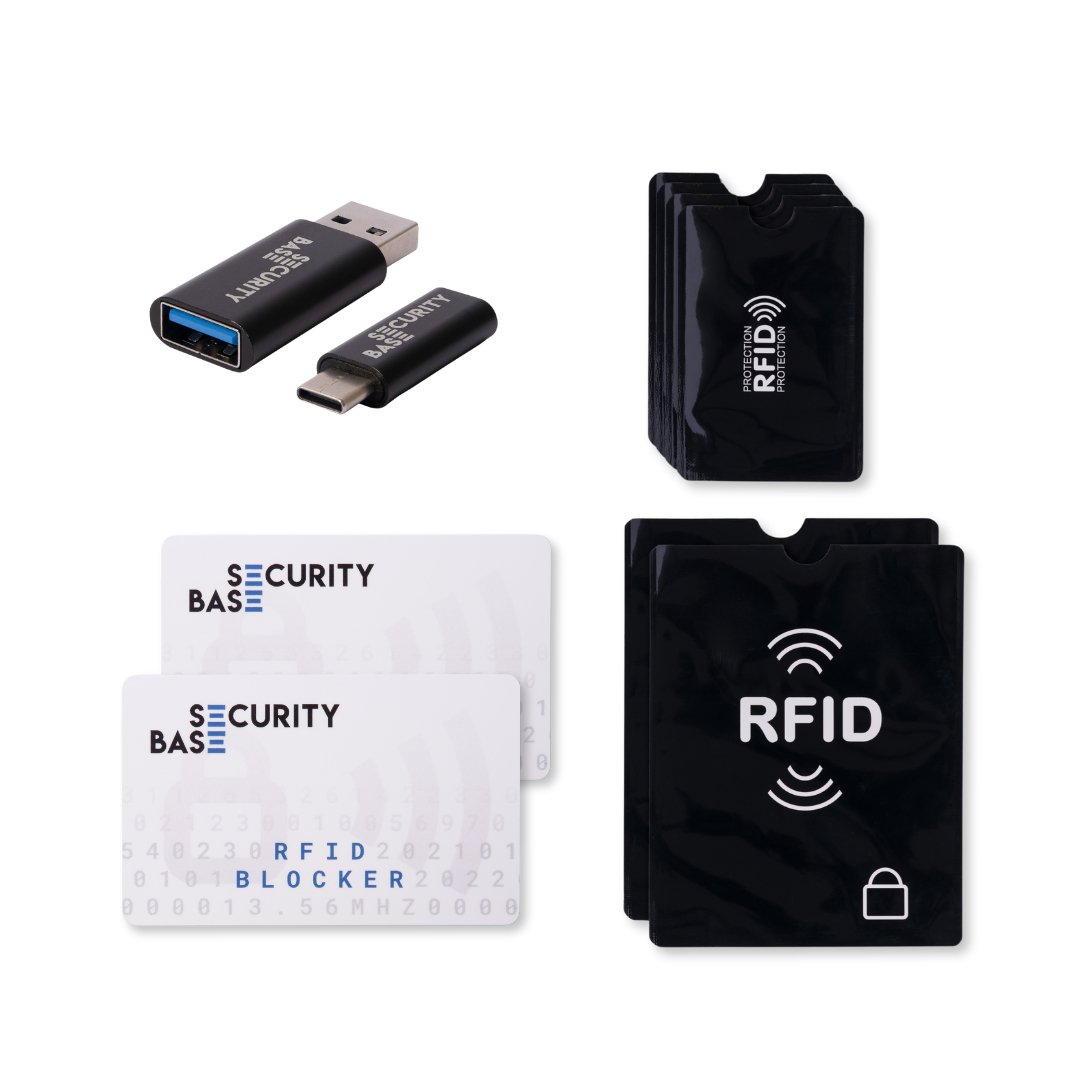
Each product protects against a different type of risk:
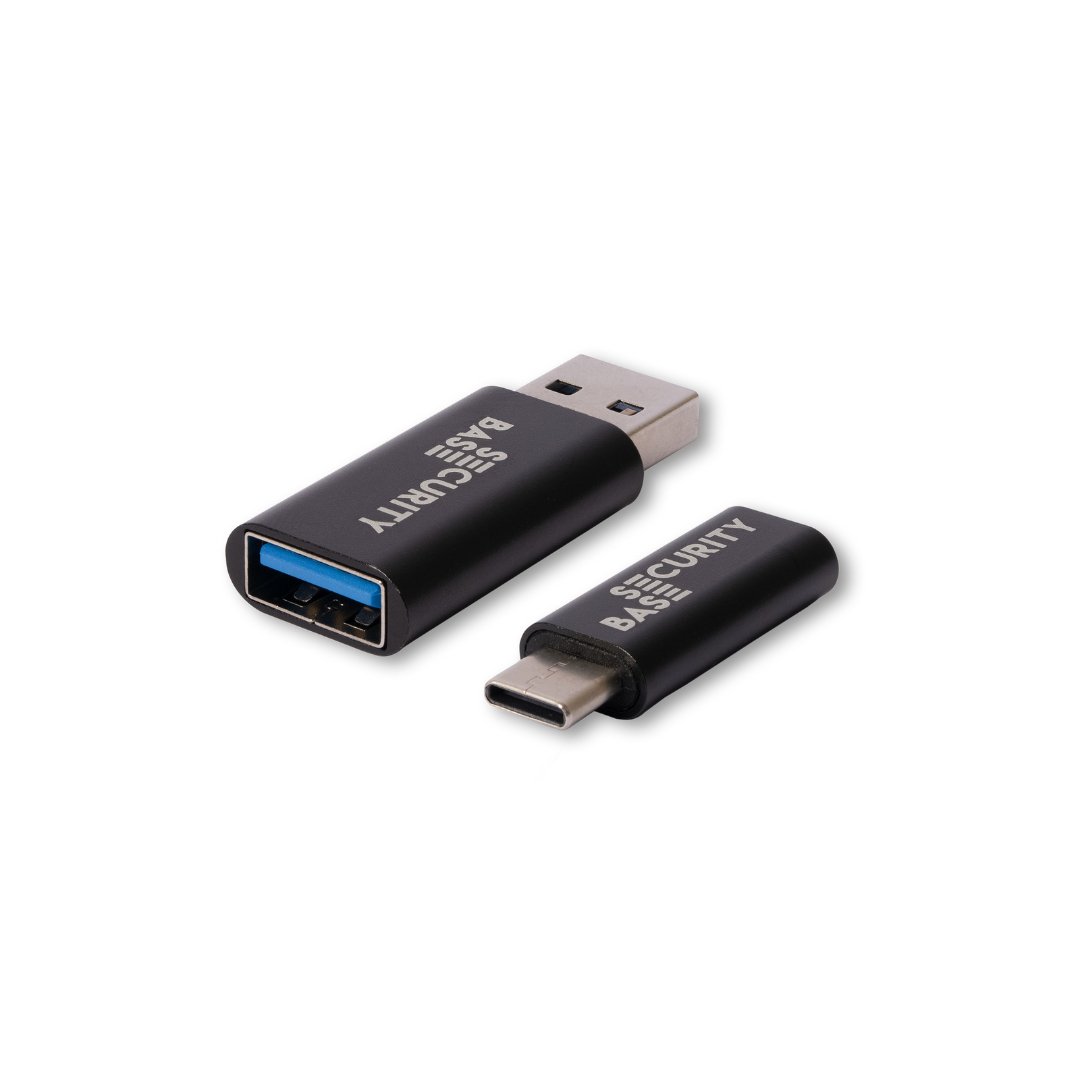
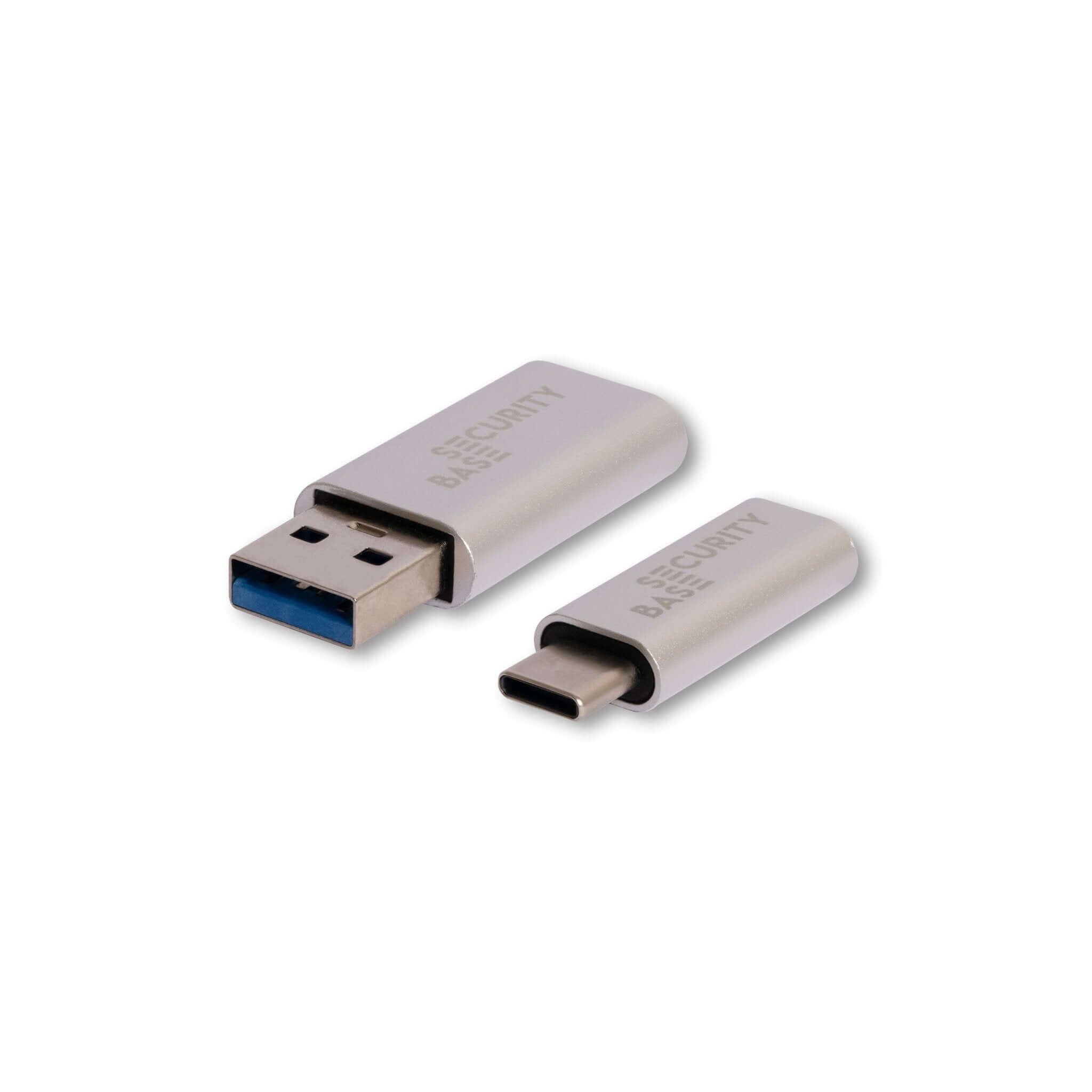
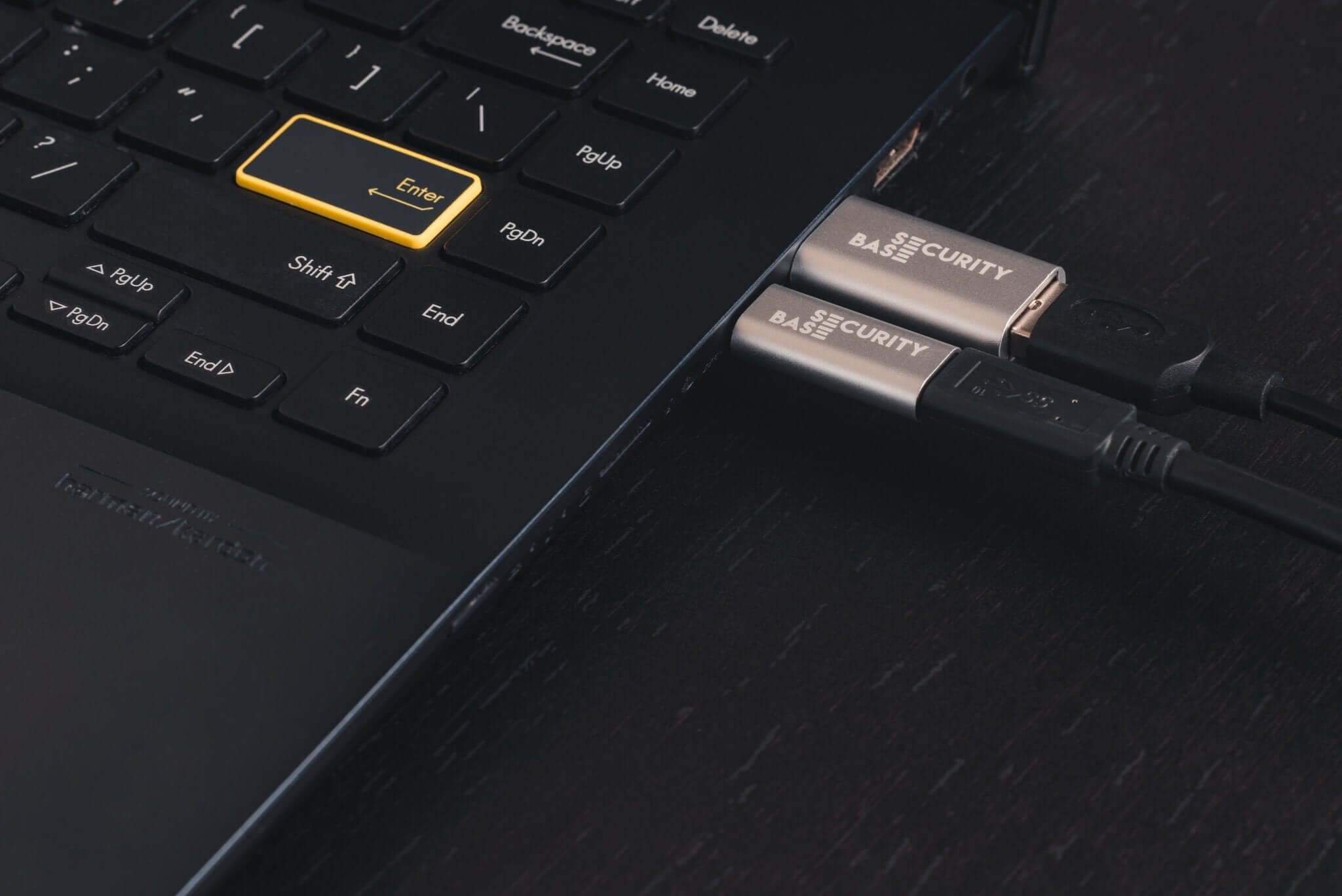
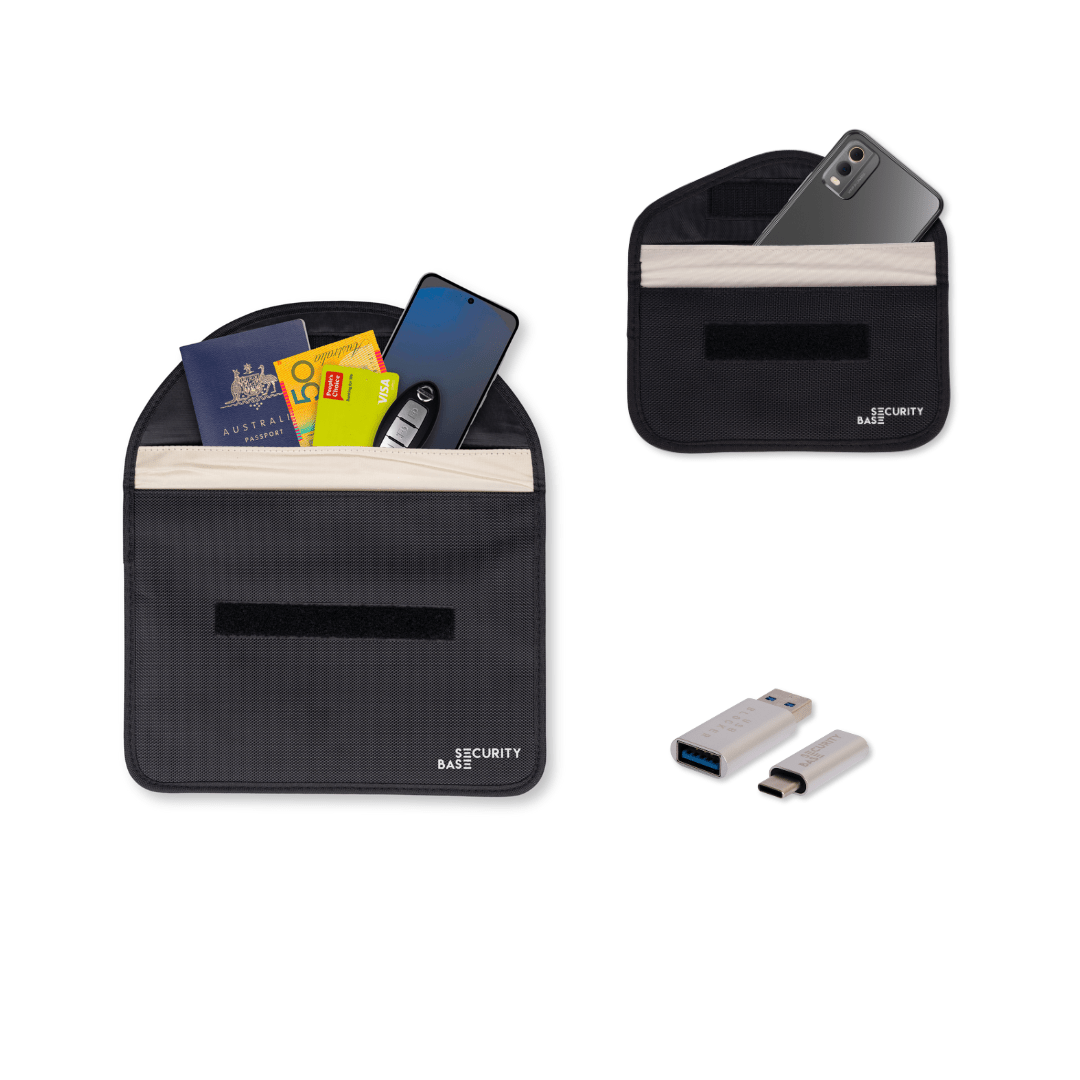
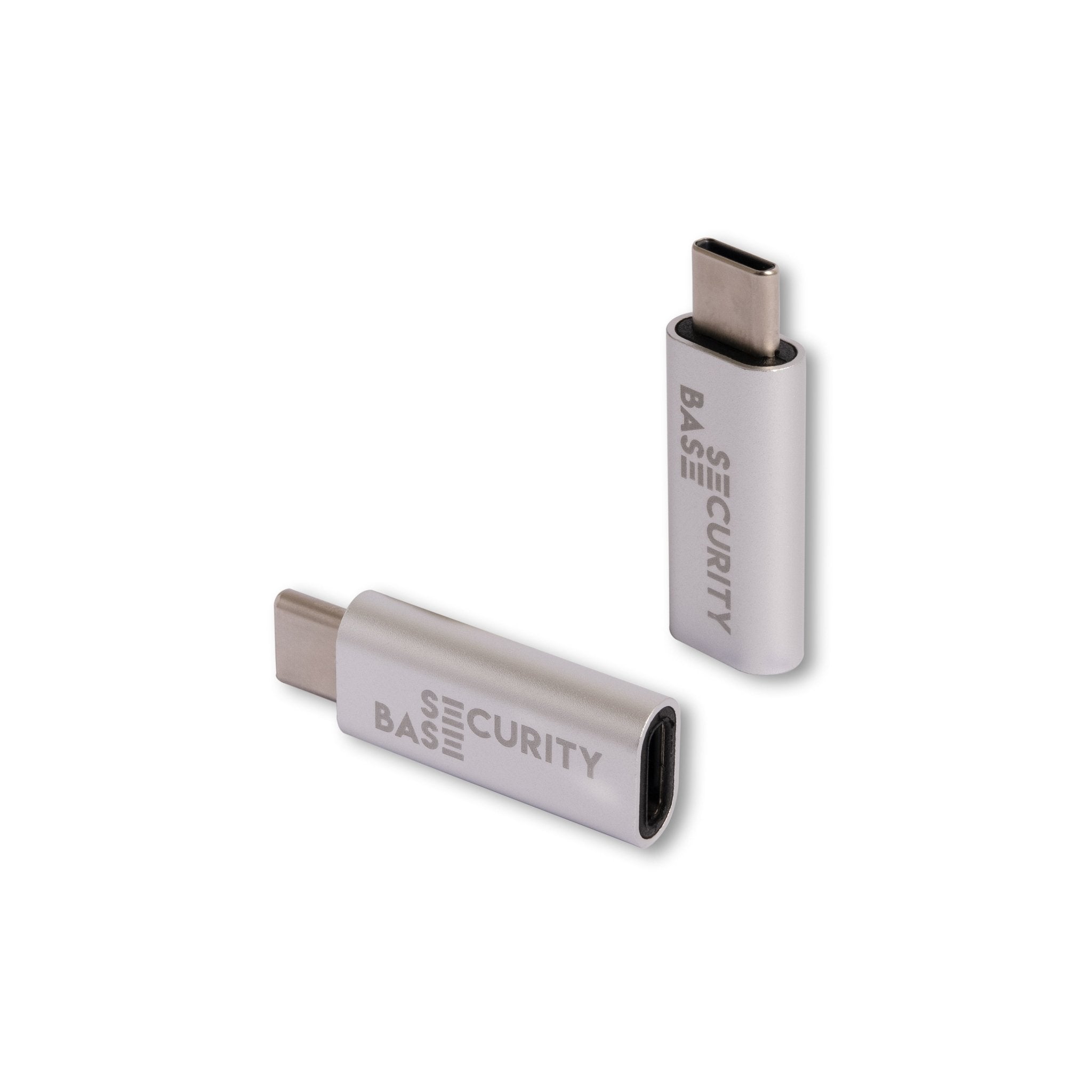
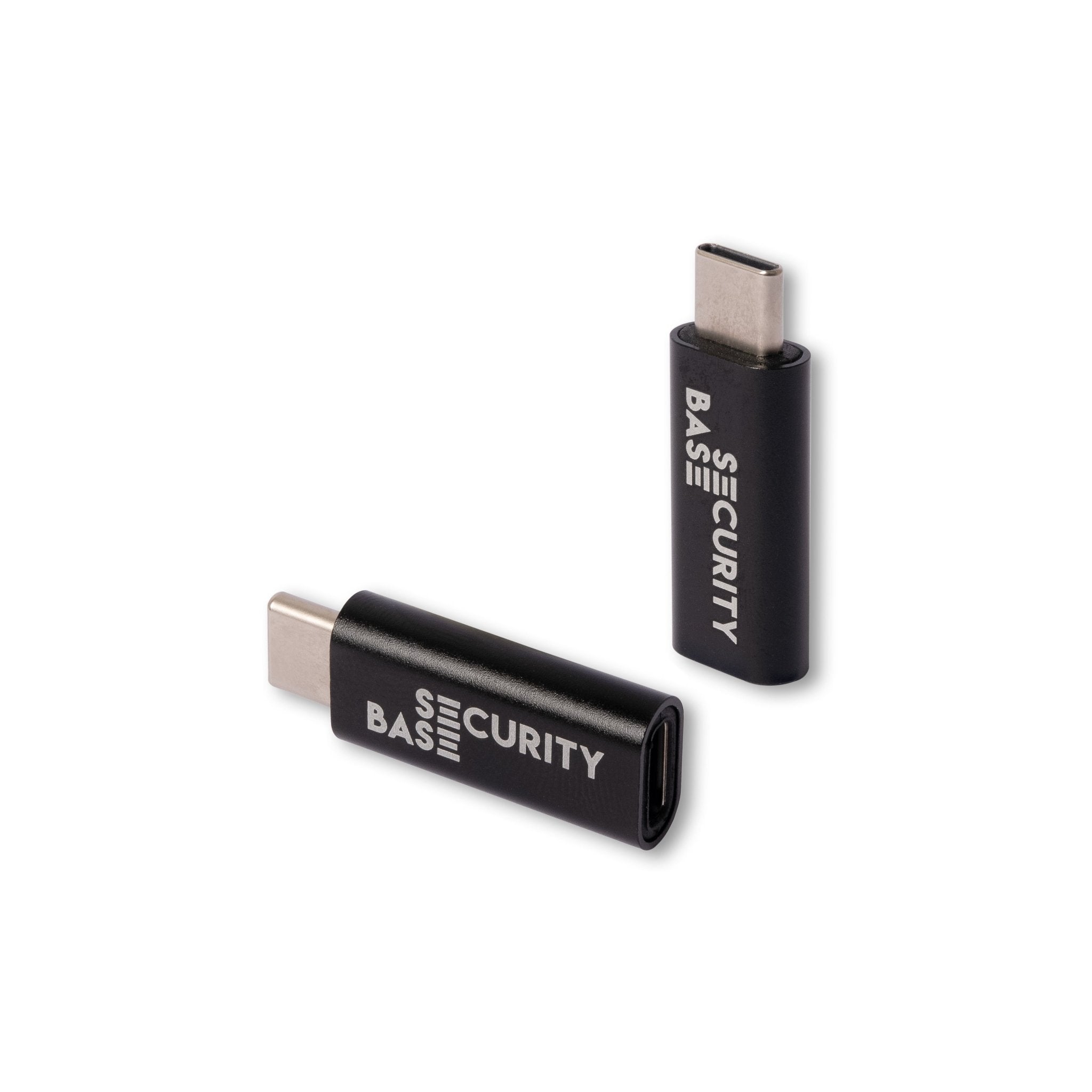
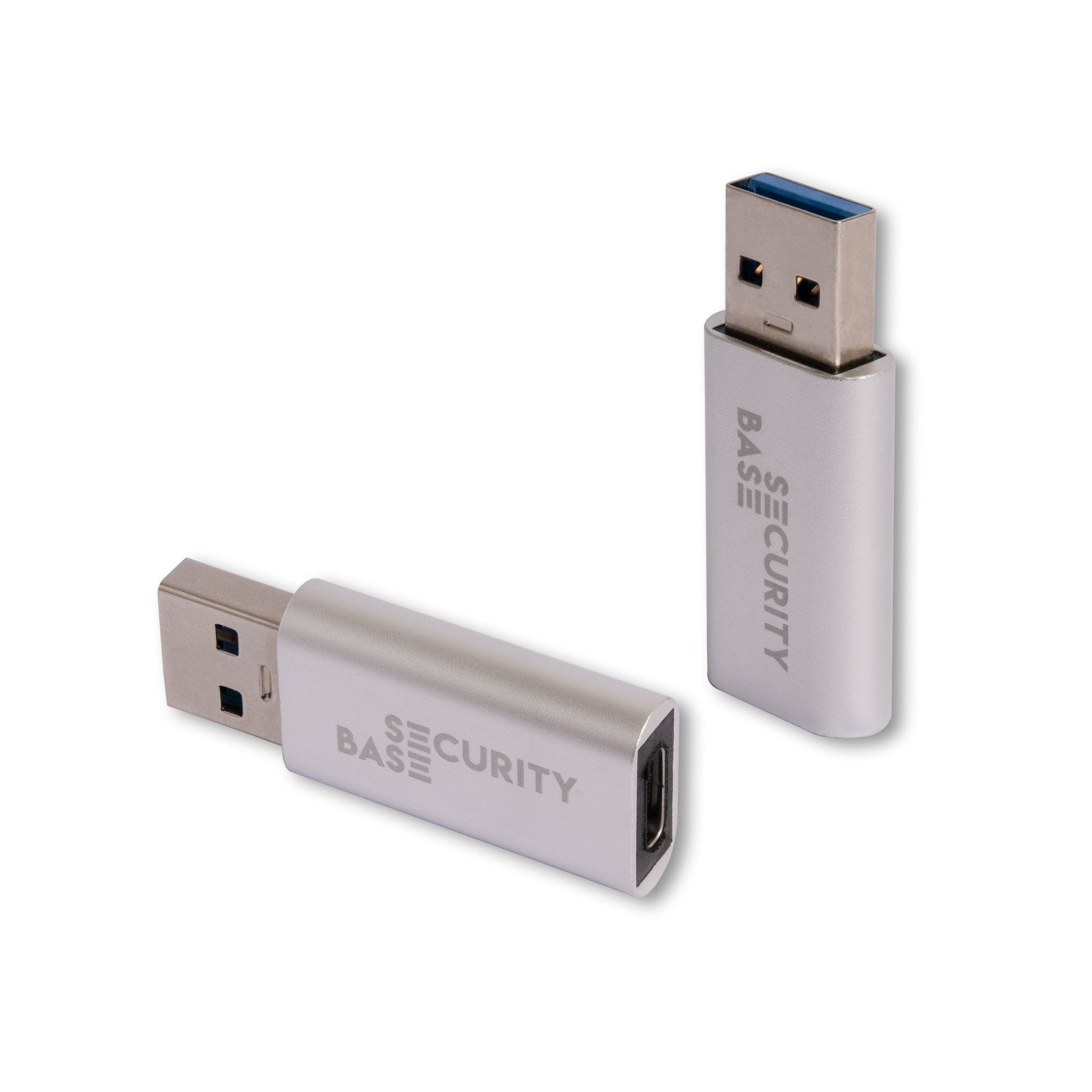
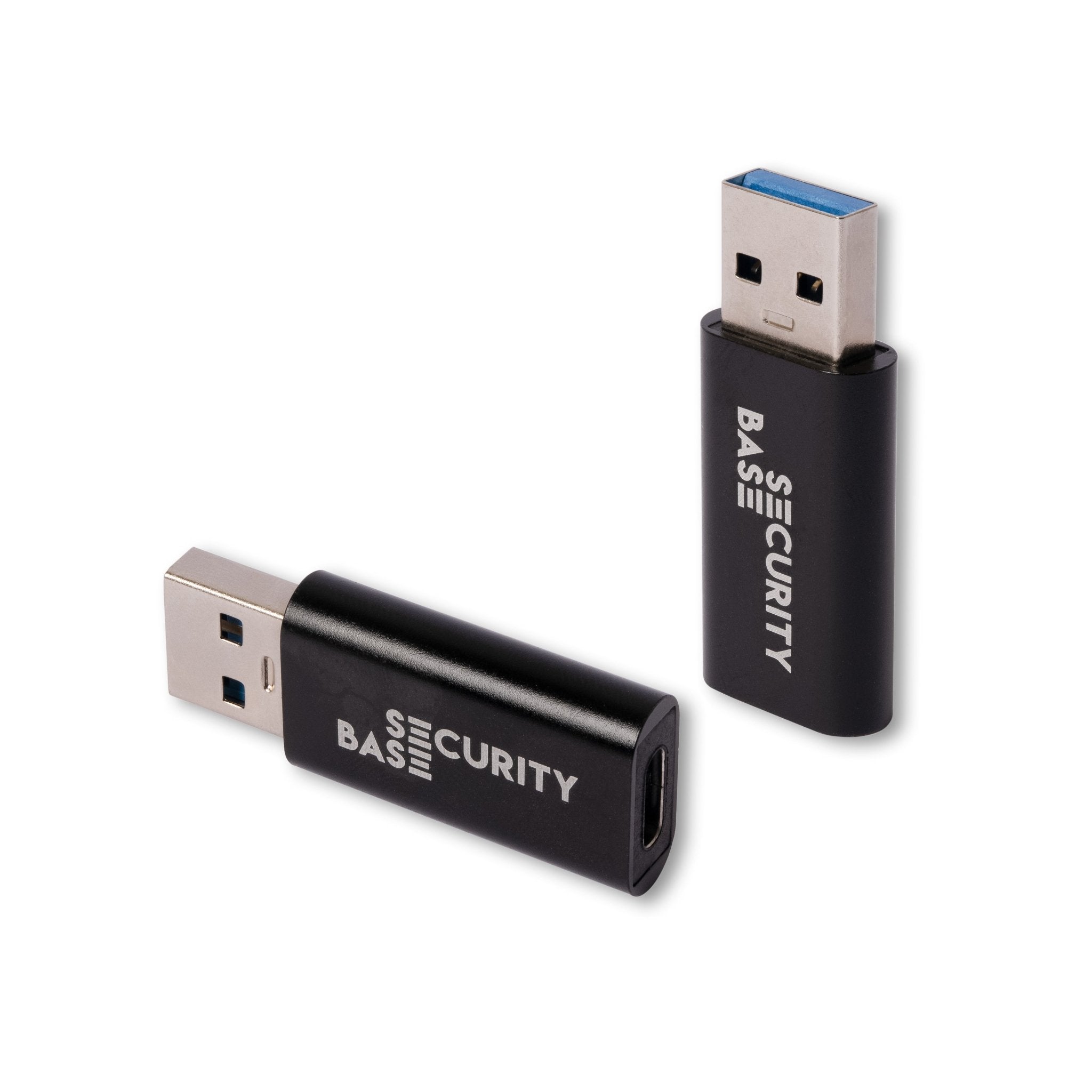
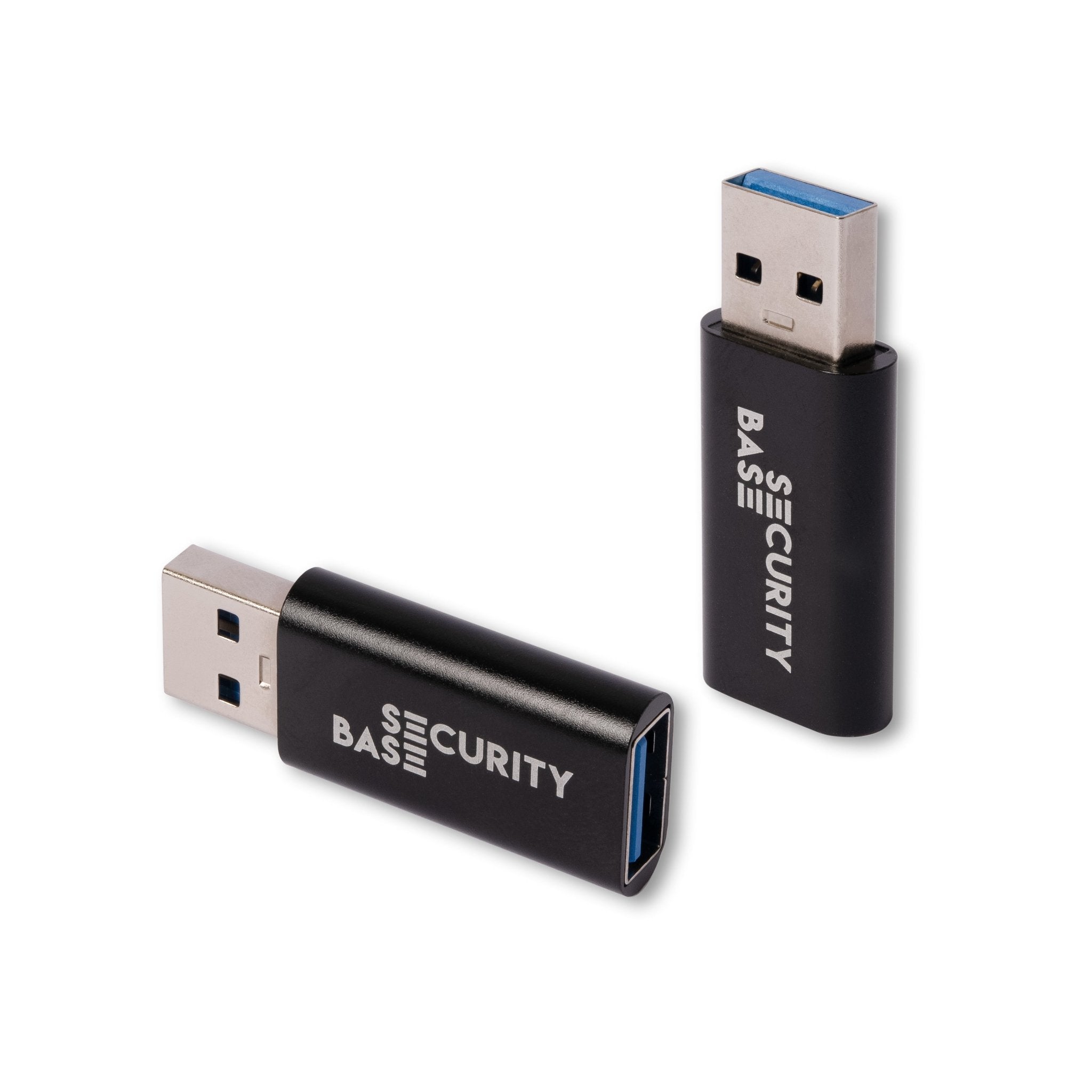
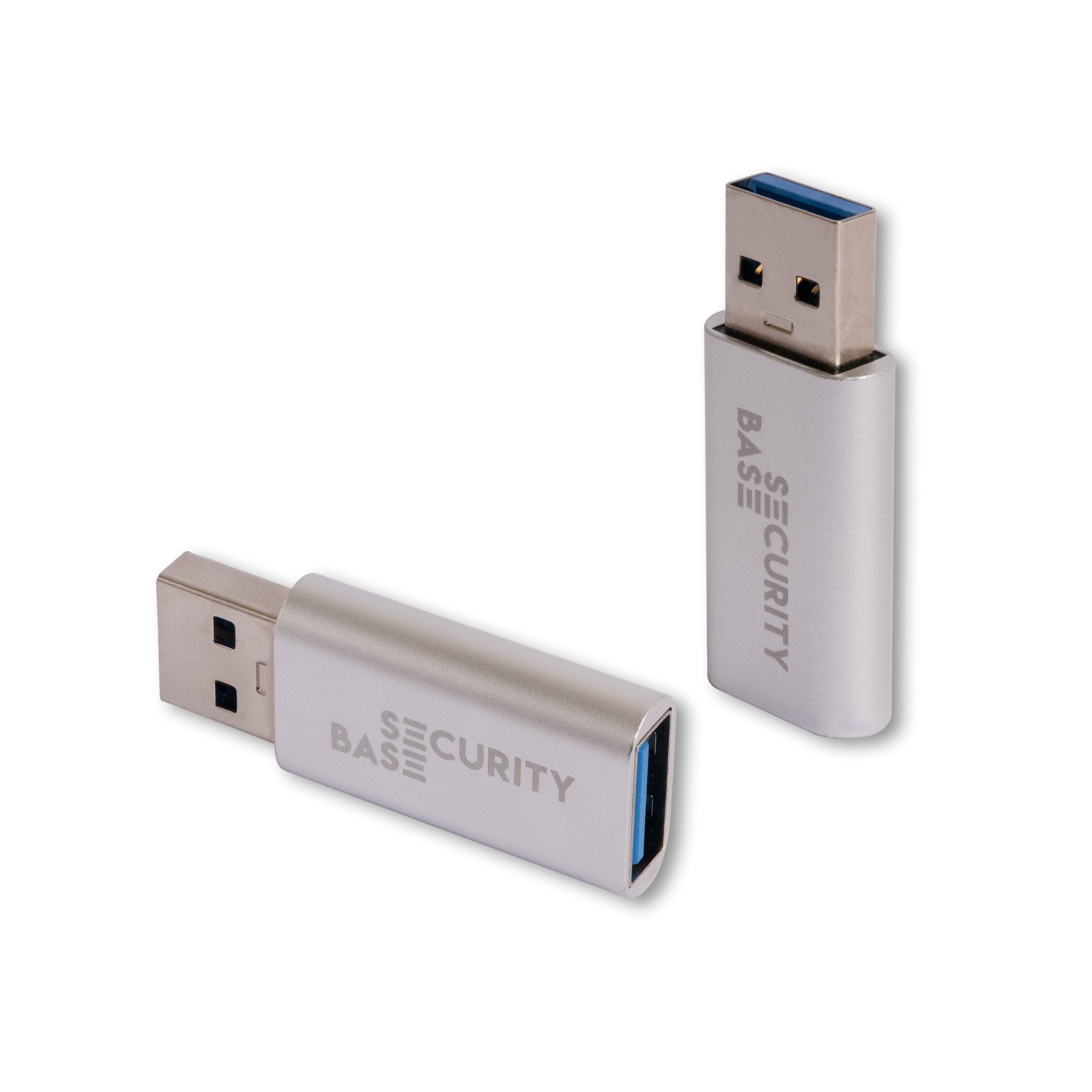
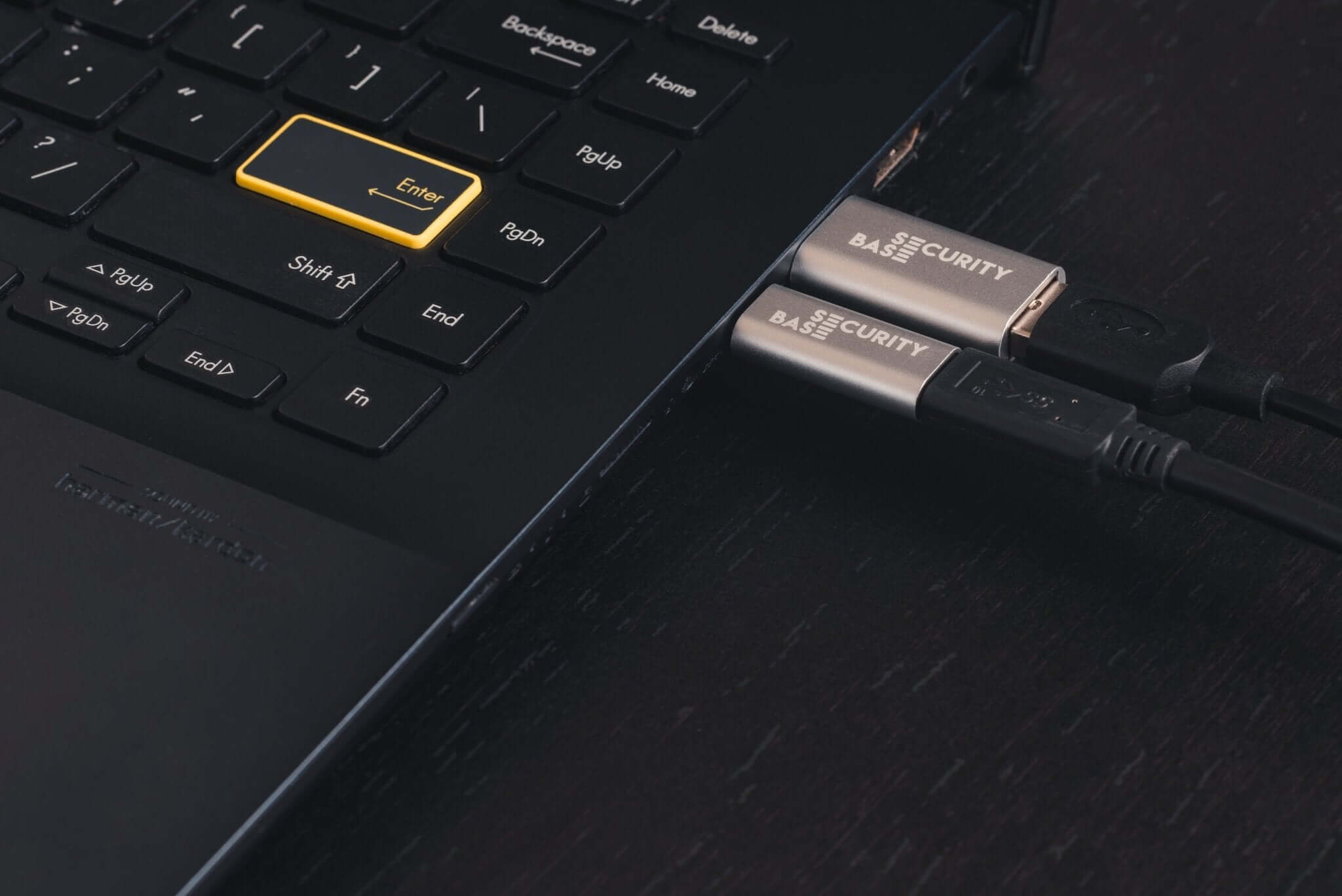
- USB data blockers protect during charging at USB charging stations
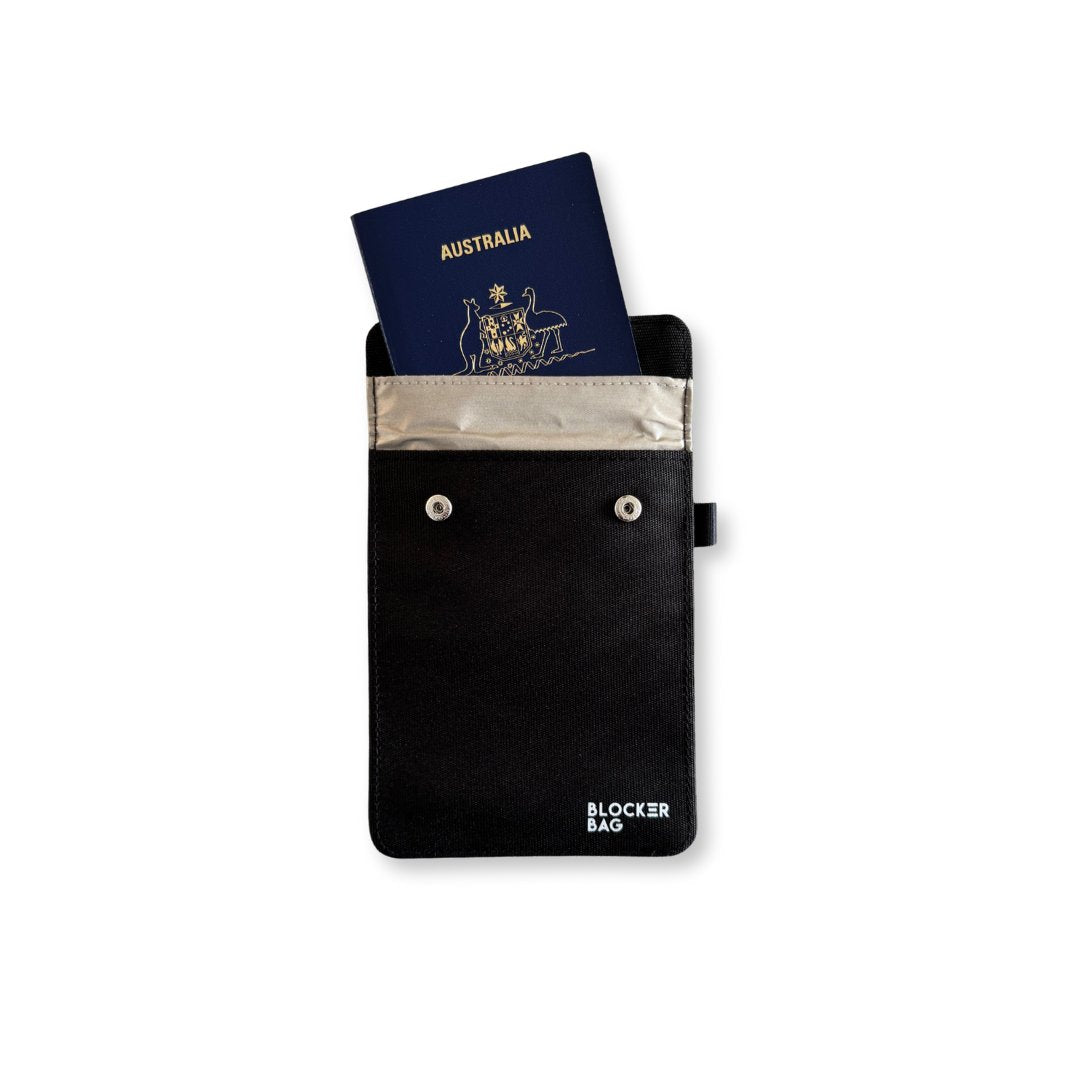
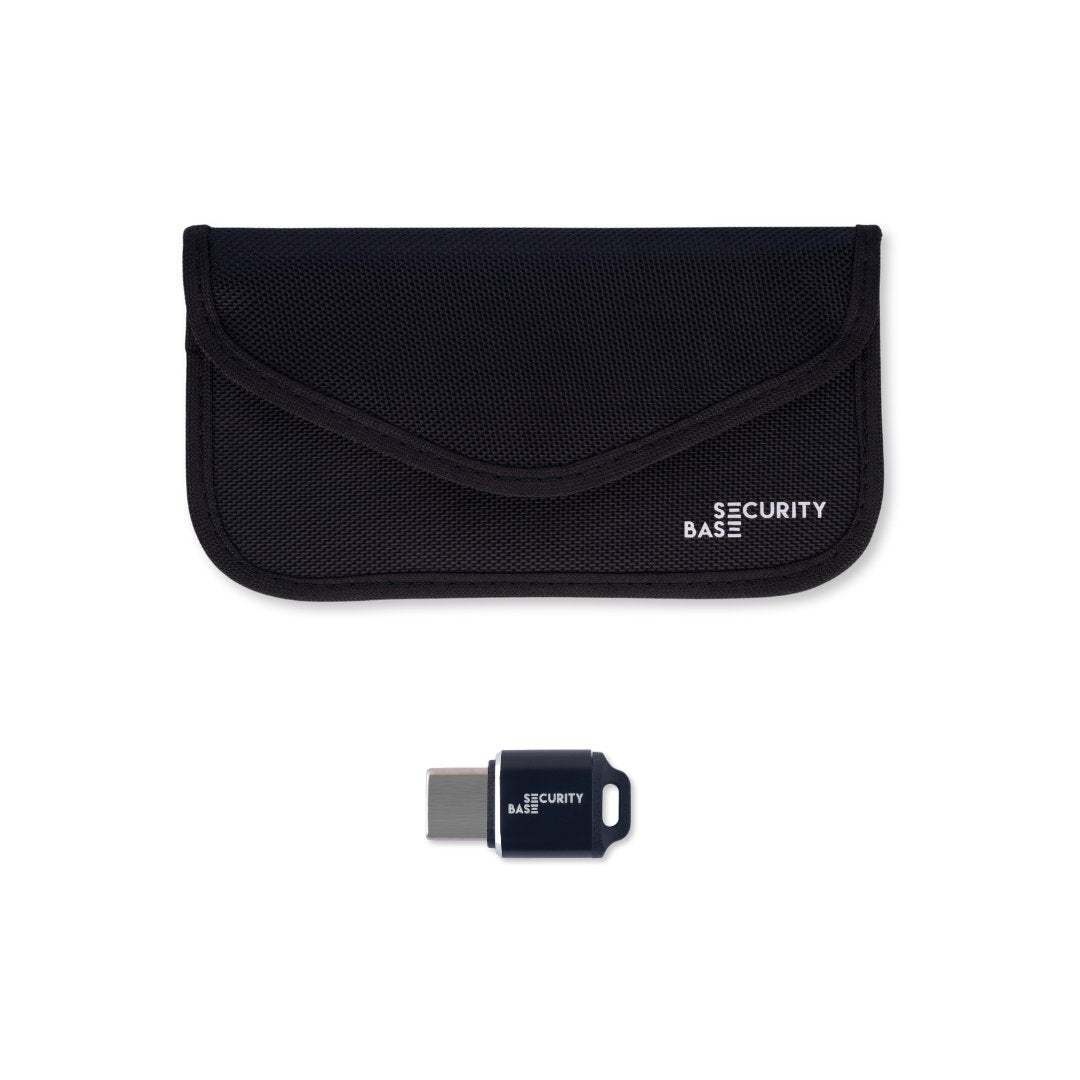
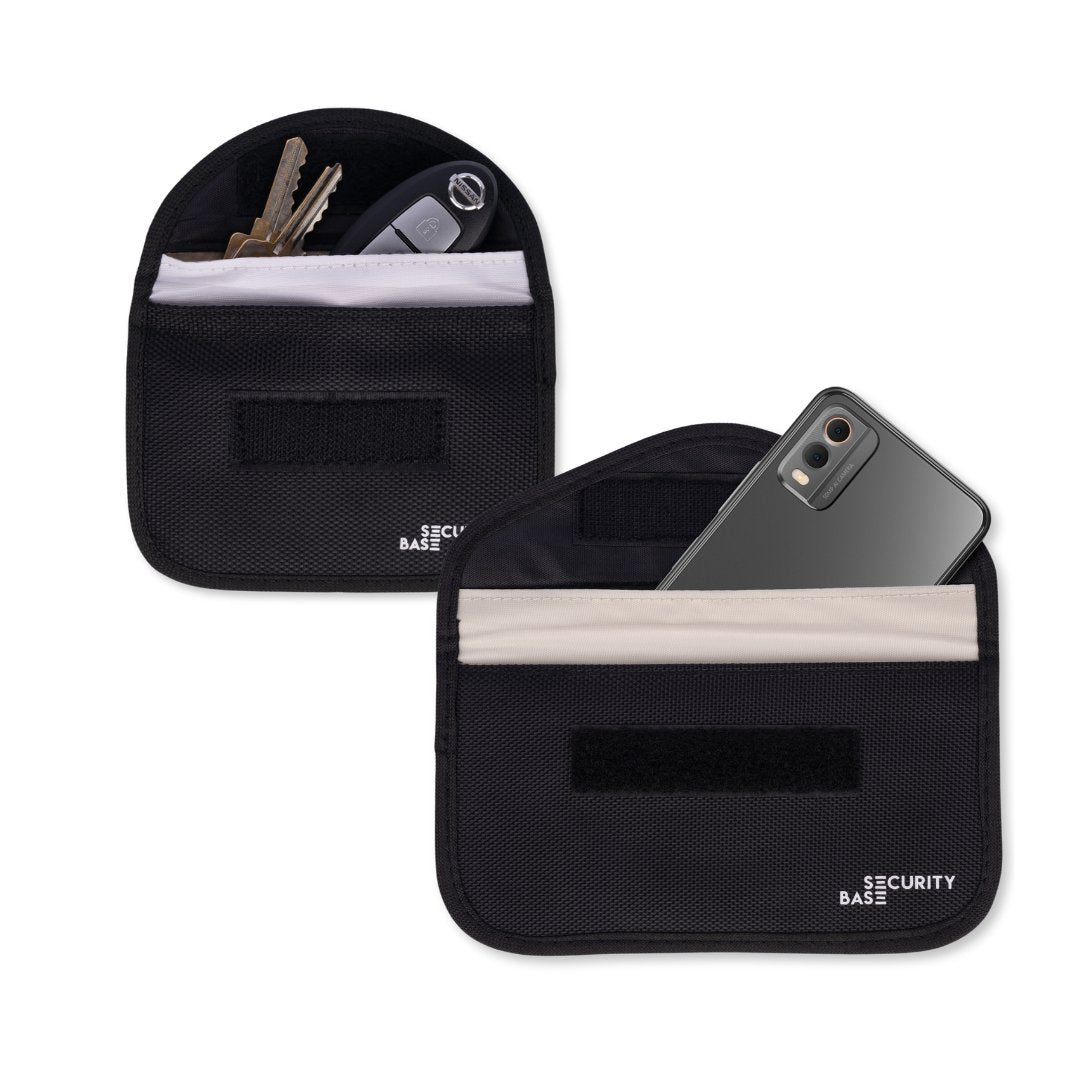
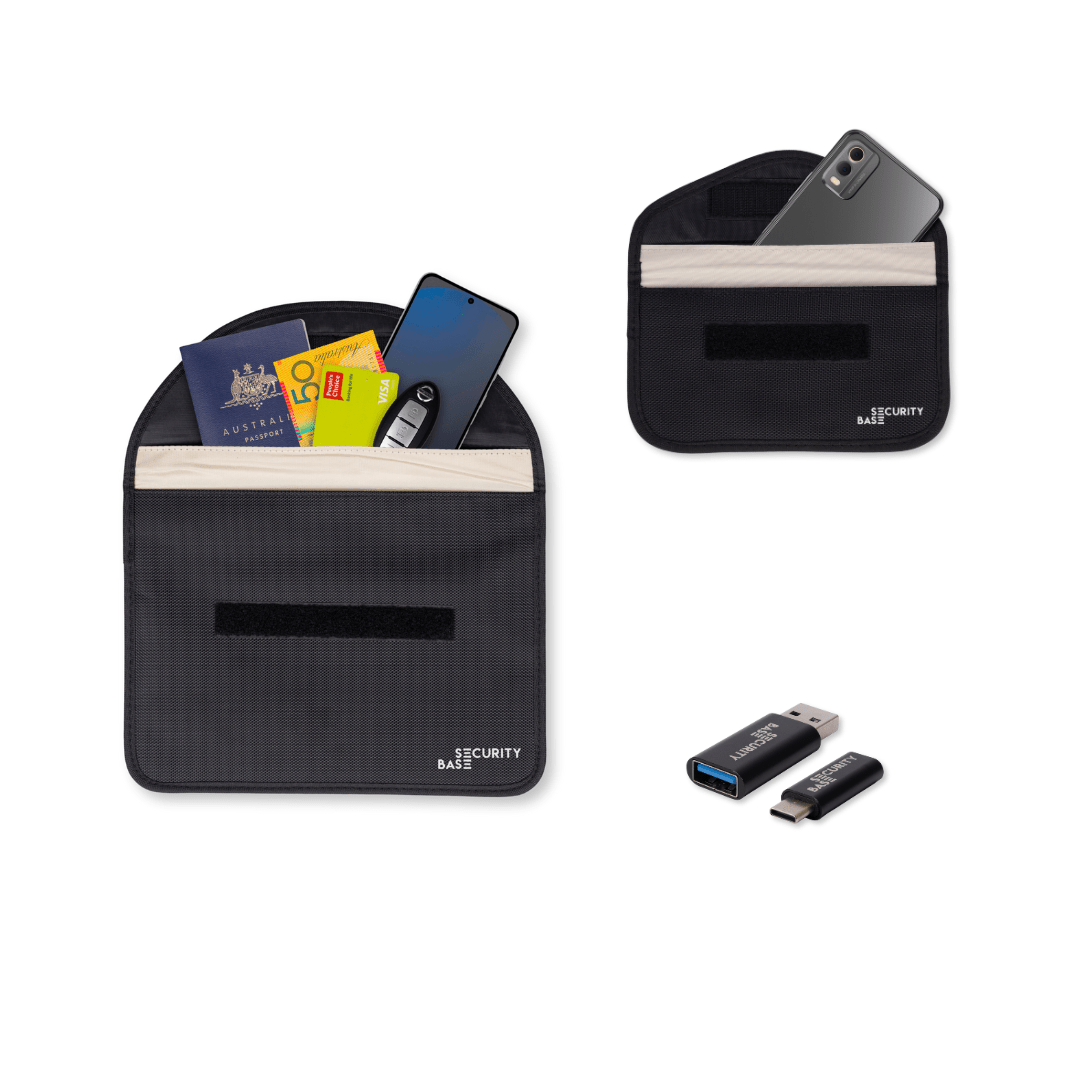
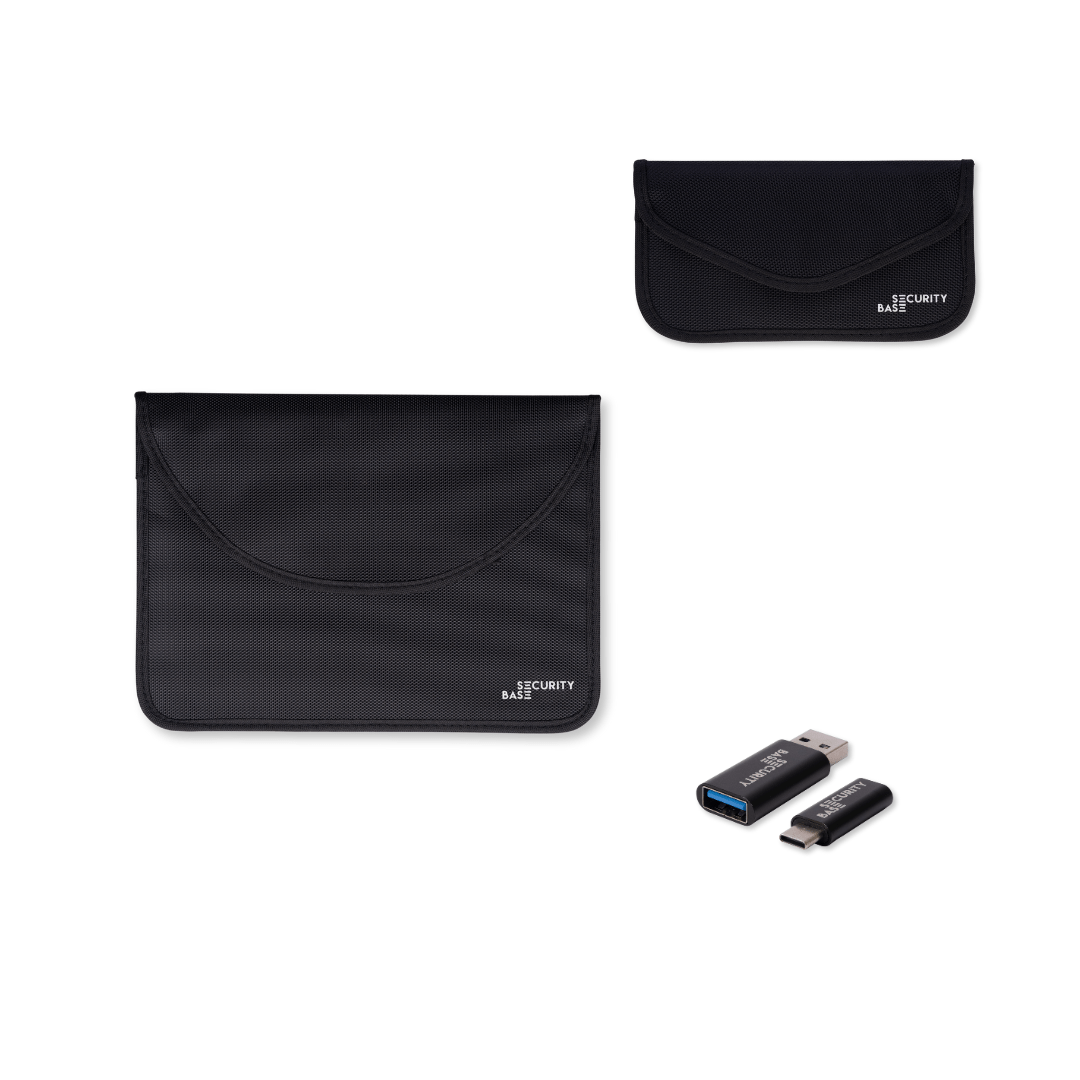
- Faraday pouches block wireless signals
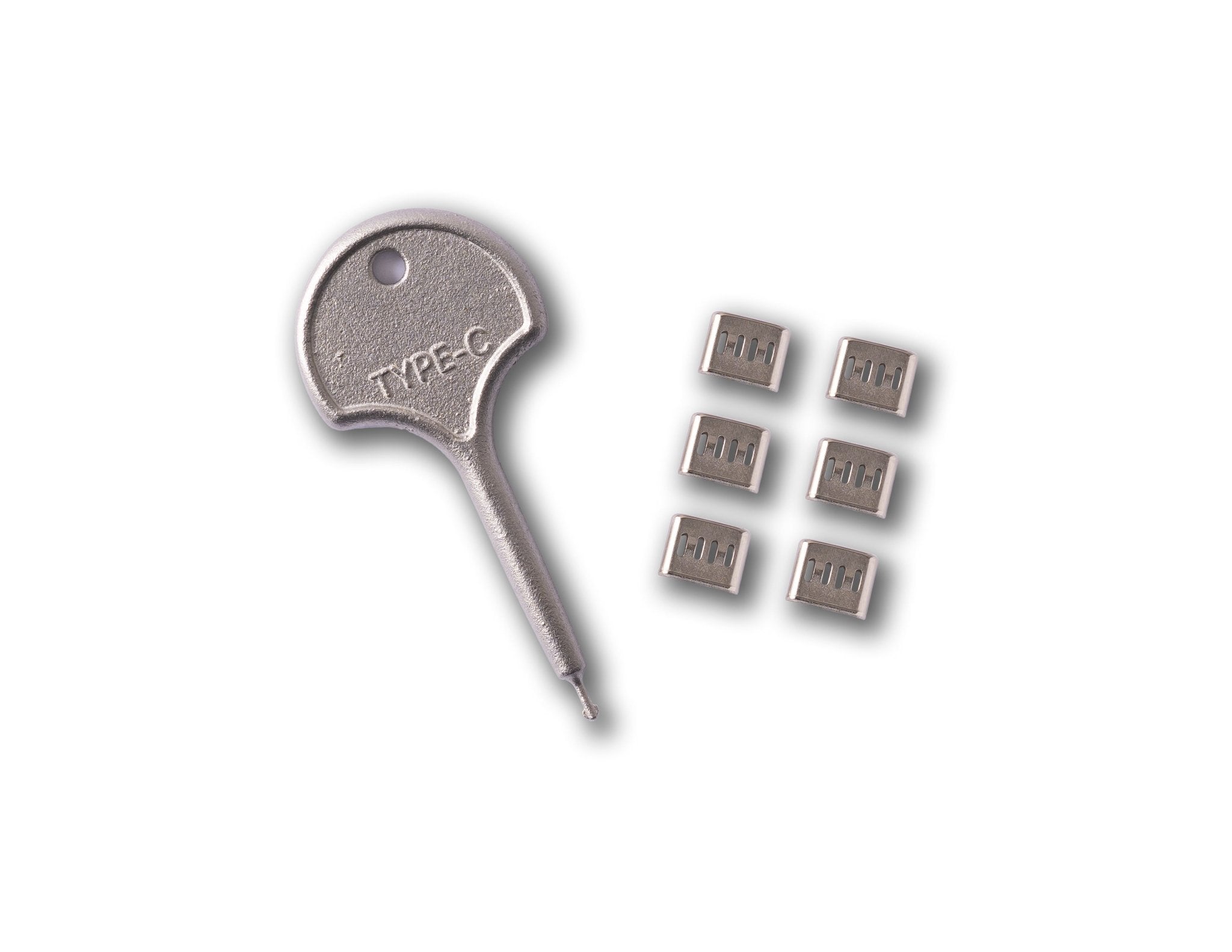
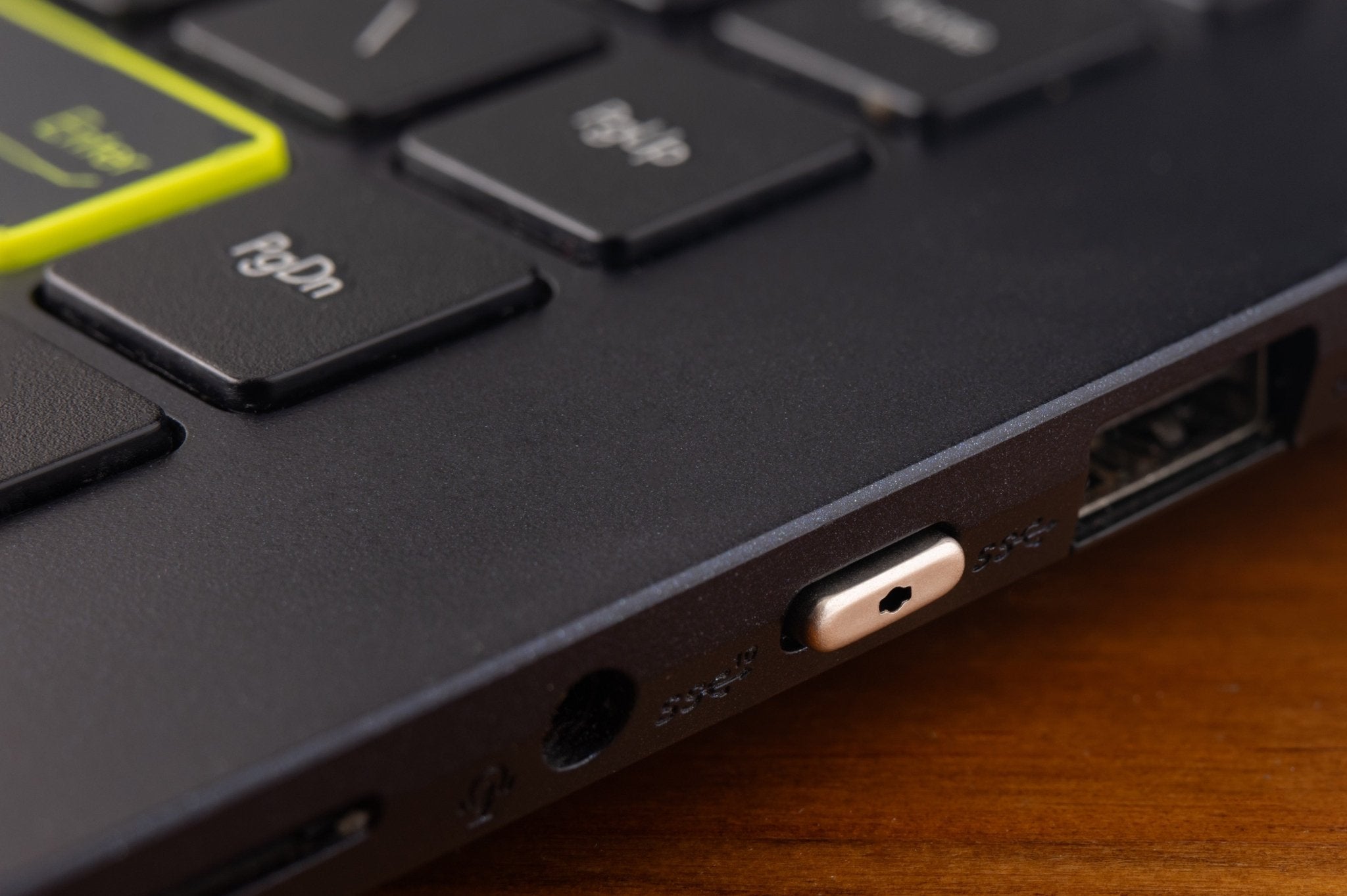
- Port blockers prevent physical access to your device
Using them together provides a simple, layered approach to protecting your devices and personal data.
-
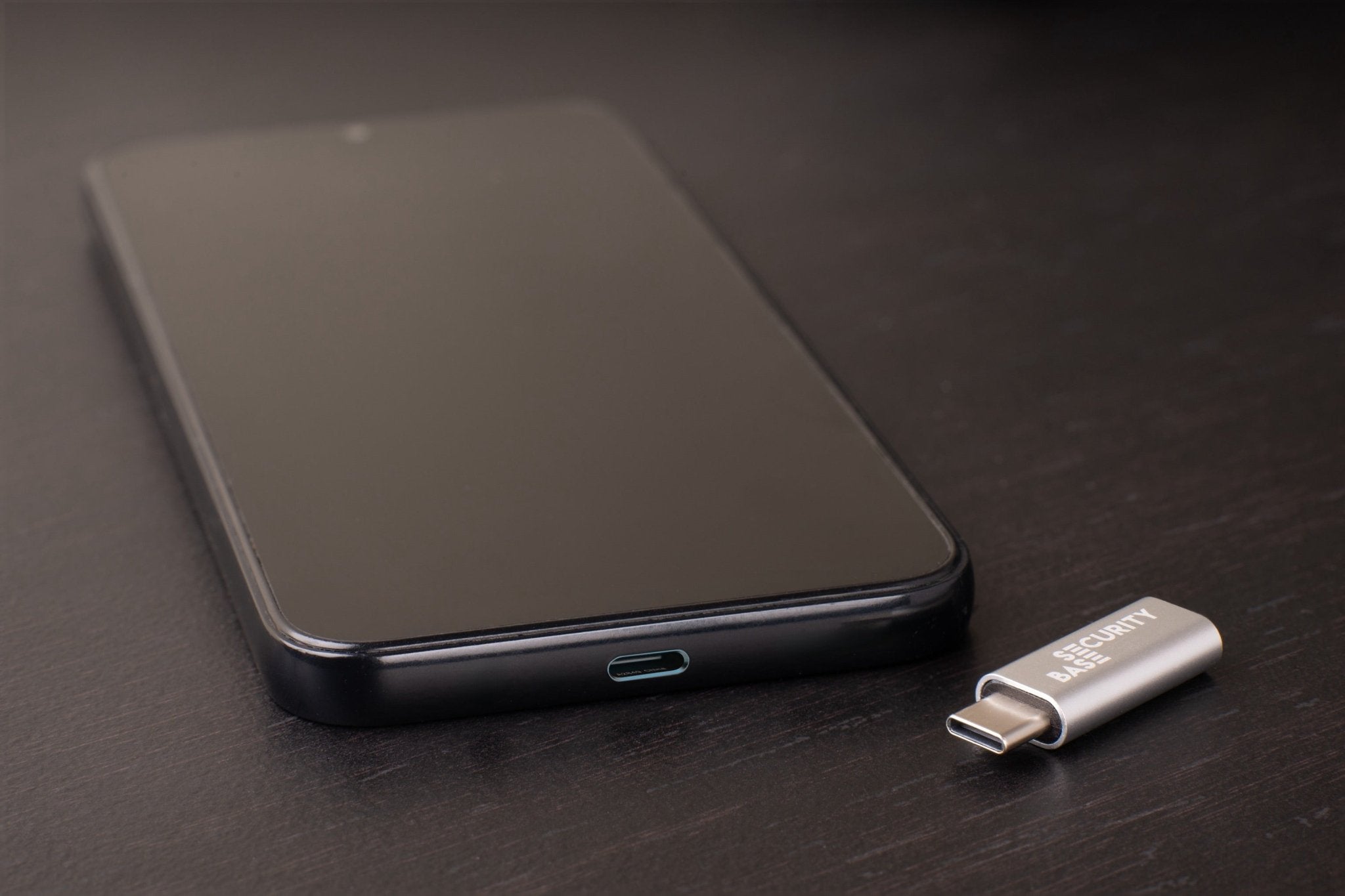
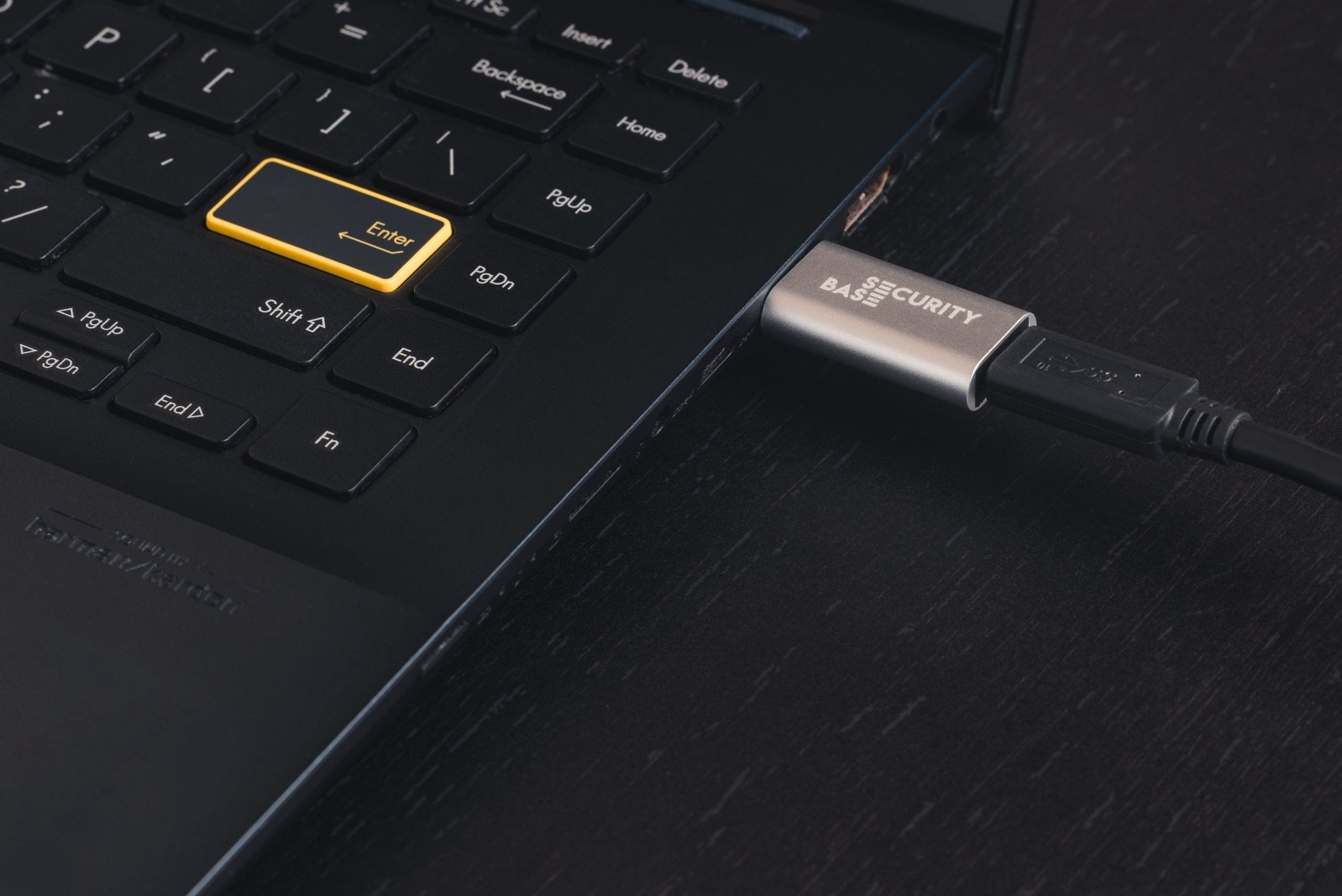
USB ports can transfer both power and data. If a public or shared port has been compromised, it can attempt to access your device or install malicious software while charging. Using a USB data blocker prevents any data transfer and allows only power to pass through.
-
A USB data blocker physically blocks the data pins inside the connection, allowing your device to charge without any data being transmitted. This protects against unauthorised access when using public chargers, laptop USB ports, or unknown USB ports.
-
If you always use your own wall charger and cable, the risk is very low. However, when travelling or using public charging points at airports, hotels or rideshares, a data blocker adds a simple and reliable layer of protection.
-
Faraday pouches block wireless signals such as Bluetooth, Wi-Fi and mobile connections. This helps prevent tracking, remote access, and unwanted communication with your device when privacy is important.
-
A USB port blocker physically blocks unused ports on devices such as laptops, computers or shared equipment. This prevents unauthorised devices from being plugged in, reducing the risk of data theft or malware being introduced.