



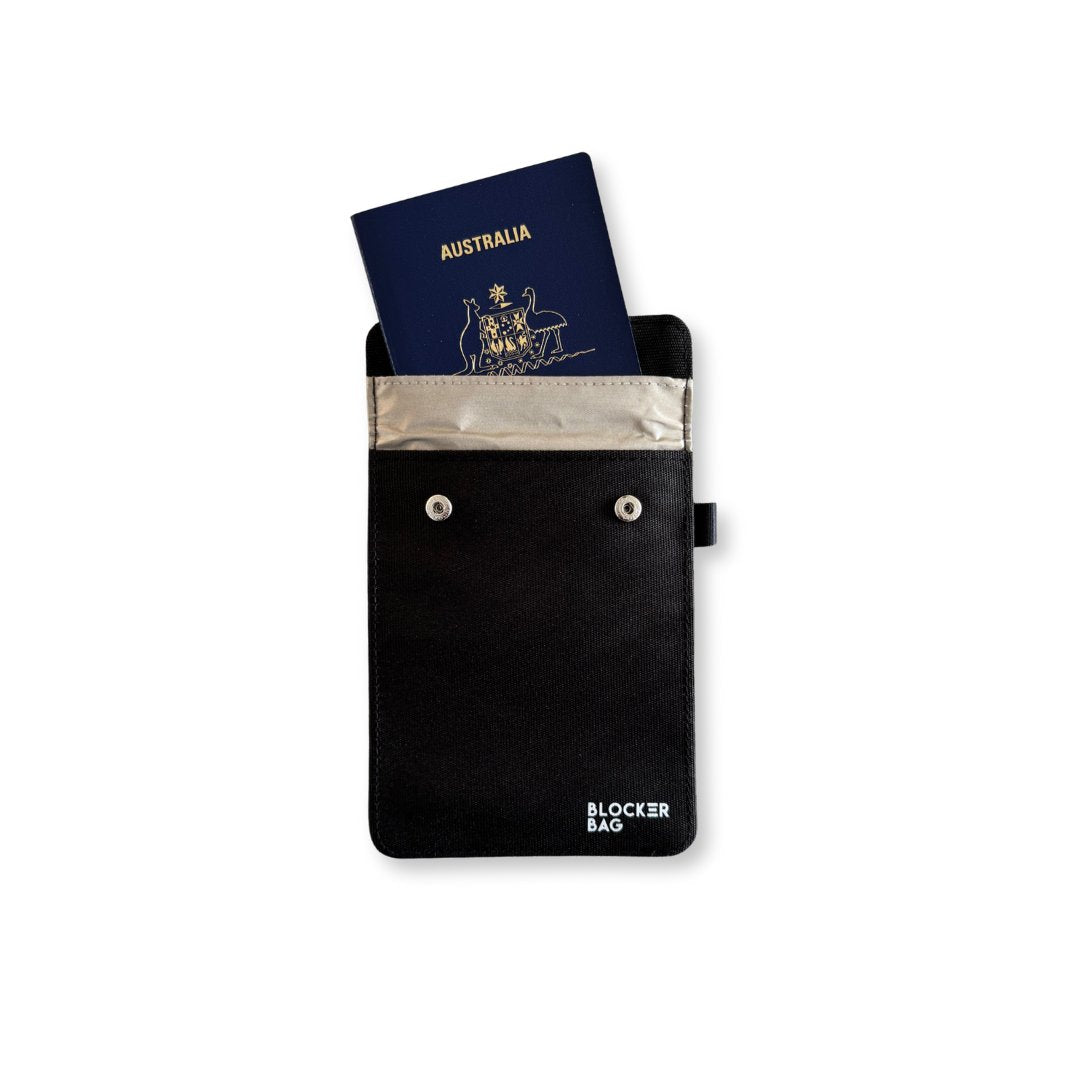
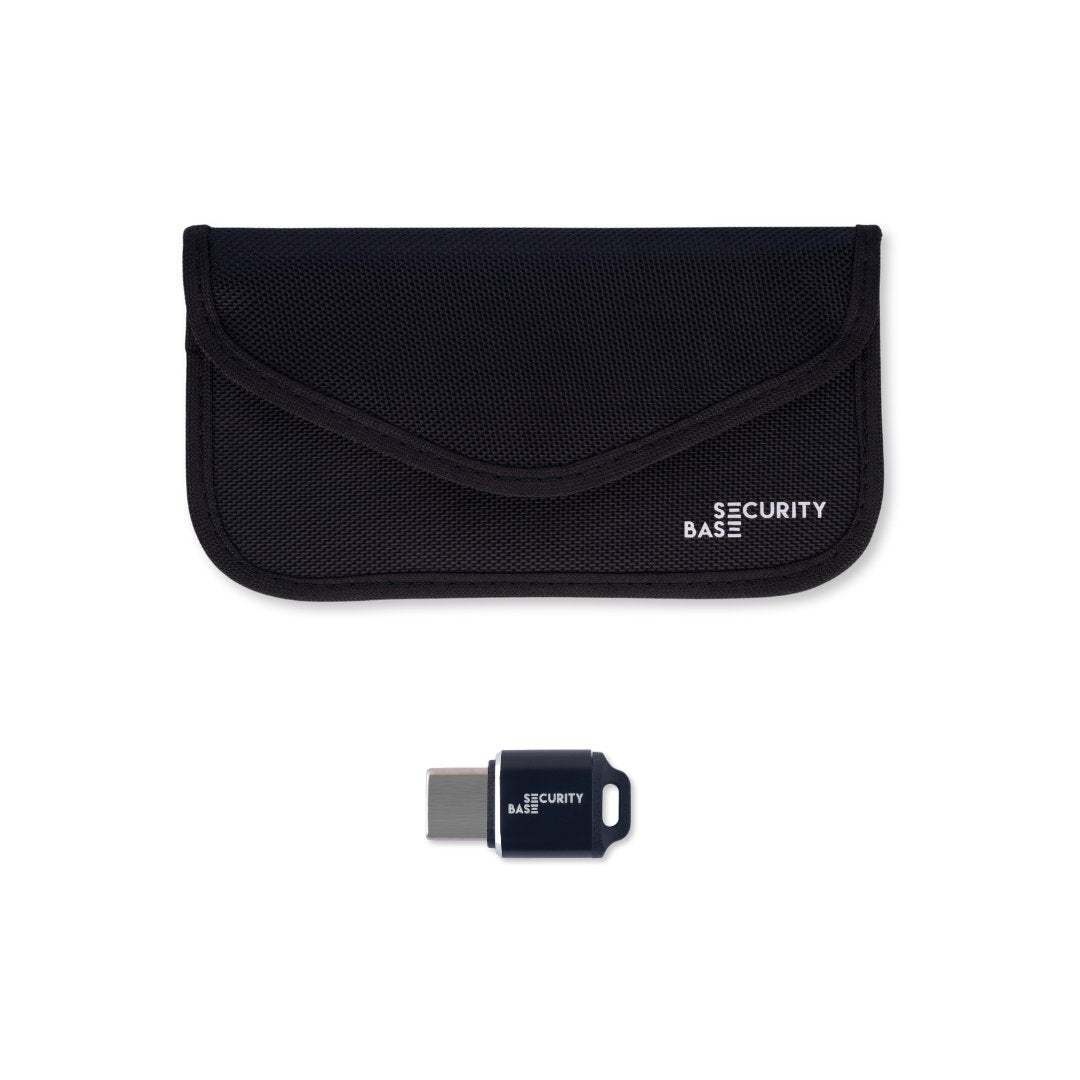
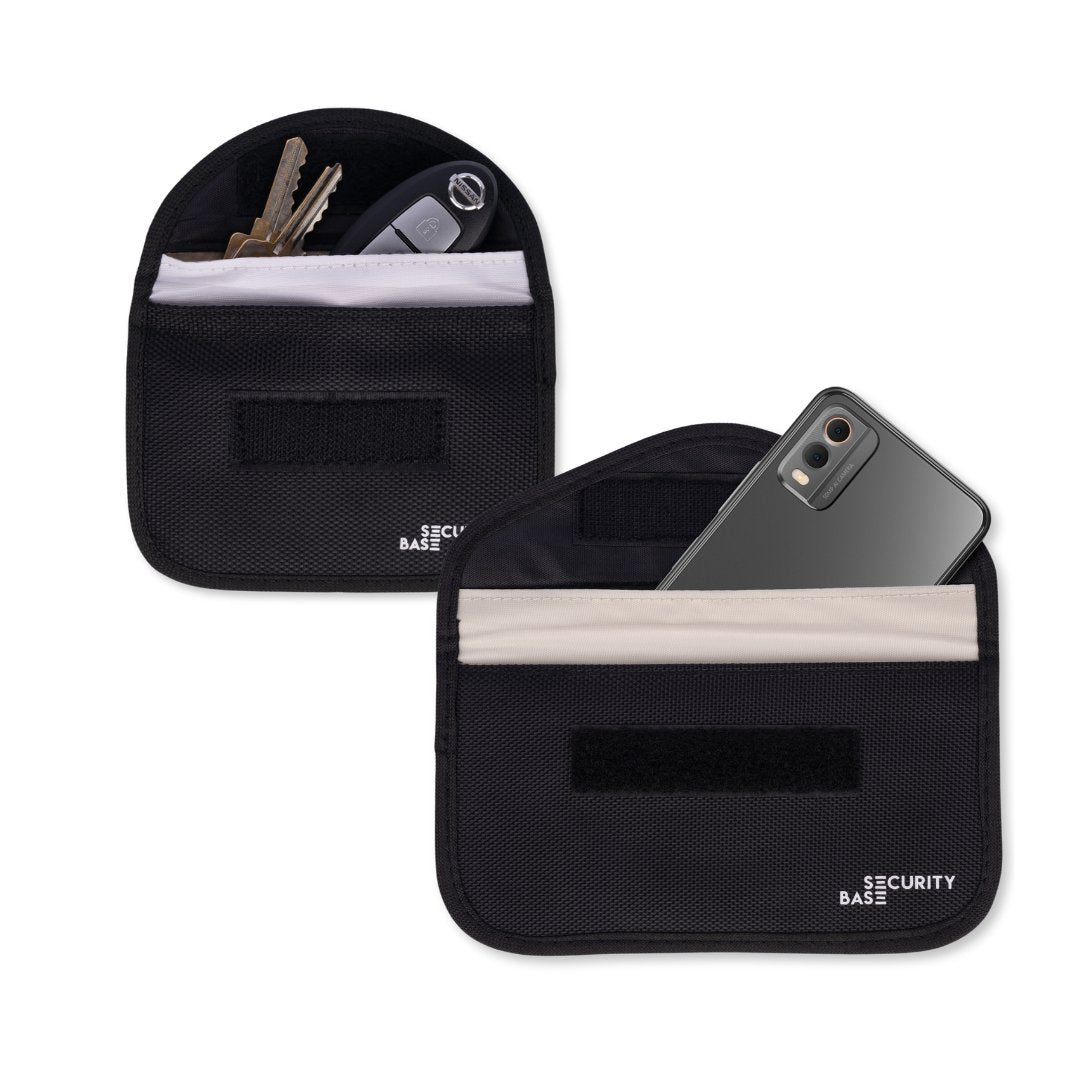



Faraday pouches are designed to block wireless signals by surrounding a device with electrically conductive material. They're used to protect car keys against relay theft, improve mobile phone privacy, and prevent wireless communication with devices stored inside the pouch.
A Faraday pouch can be effective for years - the material has no expiry date - but the conductive fabric is sensitive to wear and ageing. How quickly a pouch deteriorates depends on how it is used, how often, its construction and the shielding material.
Why does Faraday shielding degrade over time?
The signal-blocking ability of a Faraday pouch comes from its conductive shielding material. Even in high-quality Faraday pouches such as those from SecurityBase, this material is gradually affected by normal use and ageing.
Unlike a solid metal enclosure, a Faraday pouch needs to be flexible. This makes it convenient for everyday use, but it also means its conductive layers are subject to many of the same stresses as other fabrics.
A 2021 scientific review focusing on conductive fabrics such as Faraday material, published in Sensors, "Towards the Functional Ageing of Electrically Conductive and Sensing Textiles", examined how conductive textiles can lose functionality during their service life.
The researchers identified a range of ageing mechanisms, including mechanical stress, abrasion, chemical exposure and other environmental effects. The research shows that the electrical functionality of conductive textiles can change with repeated use and ageing.
The study isn't a test of Faraday pouches, and different conductive textiles use different materials and construction methods. However, it provides useful scientific background for understanding why conductive fabric should not be expected to maintain the same electrical characteristics indefinitely.
What causes wear in a Faraday pouch?
1. Friction and abrasion
Every time a phone, car key or other device is inserted and removed, there is some contact between the device and the inside of the pouch.
Repeated friction places stress on the internal fabric and conductive material. Dirt, sand or other small particles inside a pouch can potentially increase this abrasion.
2. Folding and creasing
Faraday shielding material is flexible, but repeatedly folding a pouch at the same location can impose additional mechanical stress on the material.
A pouch that is regularly crushed into a pocket, handbag or glovebox will generally experience more mechanical stress than one that is kept relatively flat.
3. Repeated opening and closing
The opening is one of the most important parts of a Faraday pouch because effective shielding requires the device to be properly enclosed.
Repeated opening, closing, pulling and stretching will eventually cause wear around the closure and seams.
This doesn't always mean the conductive material itself has failed; sometimes a worn or incorrectly closed opening can allow signals to enter or leave the pouch.
4. Moisture, humidity and sweat
Moisture and other environmental contaminants can also contribute to the ageing of electrically conductive materials.
For example, a car key pouch carried in a pocket every day may be exposed to perspiration, humidity and changing temperatures considerably more often than a pouch stored in a drawer. Keeping a Faraday pouch clean and dry can therefore help minimise unnecessary wear.
5. General physical damage
Sharp objects, keys, coins and other items can damage the inner lining or conductive layers. Even relatively small areas of repeated damage can become significant over time - which is why we recommend not placing metal keys in pouches.

Car key Faraday pouches experience more wear
How the pouch is used makes a substantial difference.
A Faraday pouch for a car key may be opened and closed multiple times every day. It might also be:
- carried in a pocket;
- compressed while sitting;
- stored alongside other keys or coins;
- exposed to perspiration and humidity;
- folded or bent repeatedly; and
- have a key inserted and removed several times each day.
Over a year, that can amount to hundreds or even thousands of use cycles.
For this reason, a car key Faraday pouch used every day is more susceptible to wear and tear and loses its effectiveness faster than a phone pouch that spends much of its life sitting on a desk or beside a bed.
That doesn't mean a Faraday phone pouch lasts forever. Repeatedly sliding a device in and out of a pouch still creates friction. Folding, carrying, environmental exposure and general handling can all gradually affect the material.
The difference is usually the intensity of use, rather than one type of Faraday fabric somehow being immune to ageing.
Why the construction of a Faraday pouch matters
Not all Faraday pouches are constructed in the same way. One way to improve durability and reliability is to use multiple shielding layers rather than relying on a single conductive layer.
SecurityBase Faraday pouches use four layers
SecurityBase Faraday pouches feature a four-layer construction, including two separate conductive Faraday shielding layers to maximise its useful life.
The construction consists of:
- Outer layer: a durable fabric that provides structure and protects the pouch from normal external wear.
- Inner lining: a softer internal layer designed to help protect the device stored inside.
- First conductive Faraday layer: provides the primary signal-blocking barrier.
- Second conductive Faraday layer: provides an additional conductive barrier for greater shielding and built-in redundancy.

The conductive copper-nickel material used in our pouches is specified to have a surface resistance below 0.05 Ω and a shielding effectiveness exceeding 85 dB.
Using two conductive layers means the pouch does not rely on just one layer of shielding material. However, even a well-made, multi-layer Faraday pouch isn't immune to physical wear and material ageing.
High-quality construction improves durability and provides additional protection, but it cannot make a flexible textile indestructible.
How long should a Faraday pouch last?
There is no established number of months or years that applies to every Faraday pouch. Its performance over time depends on factors including:
- how often the pouch is used;
- how the device is inserted and removed;
- abrasion and friction;
- folding and bending;
- exposure to moisture and contaminants;
- wear around seams and closures; and
- how the pouch is stored.
A pouch used twice a day for a car key and carried around in a pocket experiences very different conditions from a phone pouch used occasionally and stored flat in a drawer.
How often and how should you test a Faraday pouch?
We recommend testing your Faraday pouch from time to time, and particularly if it has been in regular use for an extended period or shows visible signs of wear.
For a car key pouch: Place the key inside the signal-blocking compartment and close the pouch completely. Stand next to your vehicle and try to unlock or start the car as you normally would. The vehicle should not detect the key.
For a phone or other pouch: Place your phone inside the pouch and close it completely. Call the phone from another device. The phone should not ring or receive the call while properly enclosed.
Can you make a Faraday pouch last longer?
You can't prevent all material ageing, but careful use can reduce unnecessary wear.
For the longest practical life:
- avoid unnecessarily folding or crushing the pouch;
- keep sharp objects away from the internal shielding layers;
- avoid storing loose keys or coins inside the same compartment;
- keep the pouch reasonably clean and dry; don't machine wash it;
- avoid harsh chemicals and cleaning products;
- insert and remove devices carefully rather than dragging them against the lining; and
- periodically inspect and test the pouch.
For car key pouches in particular, regular testing is worthwhile because they tend to experience considerably more day-to-day handling.
Some people choose to replace heavily used car key pouches periodically as a precaution, but we don't recommend replacing a working pouch simply because 12 months have passed.
If it is still in good physical condition and continues to block the relevant signals during testing, there may be no reason to replace it.
Regardless of which Faraday pouch you use, our recommendation is simple:
Look after it, and test it periodically.
If it continues to block the signals it is designed to block, keep using it. If it doesn't, don't continue relying on it simply because the pouch still looks fine from the outside.


