



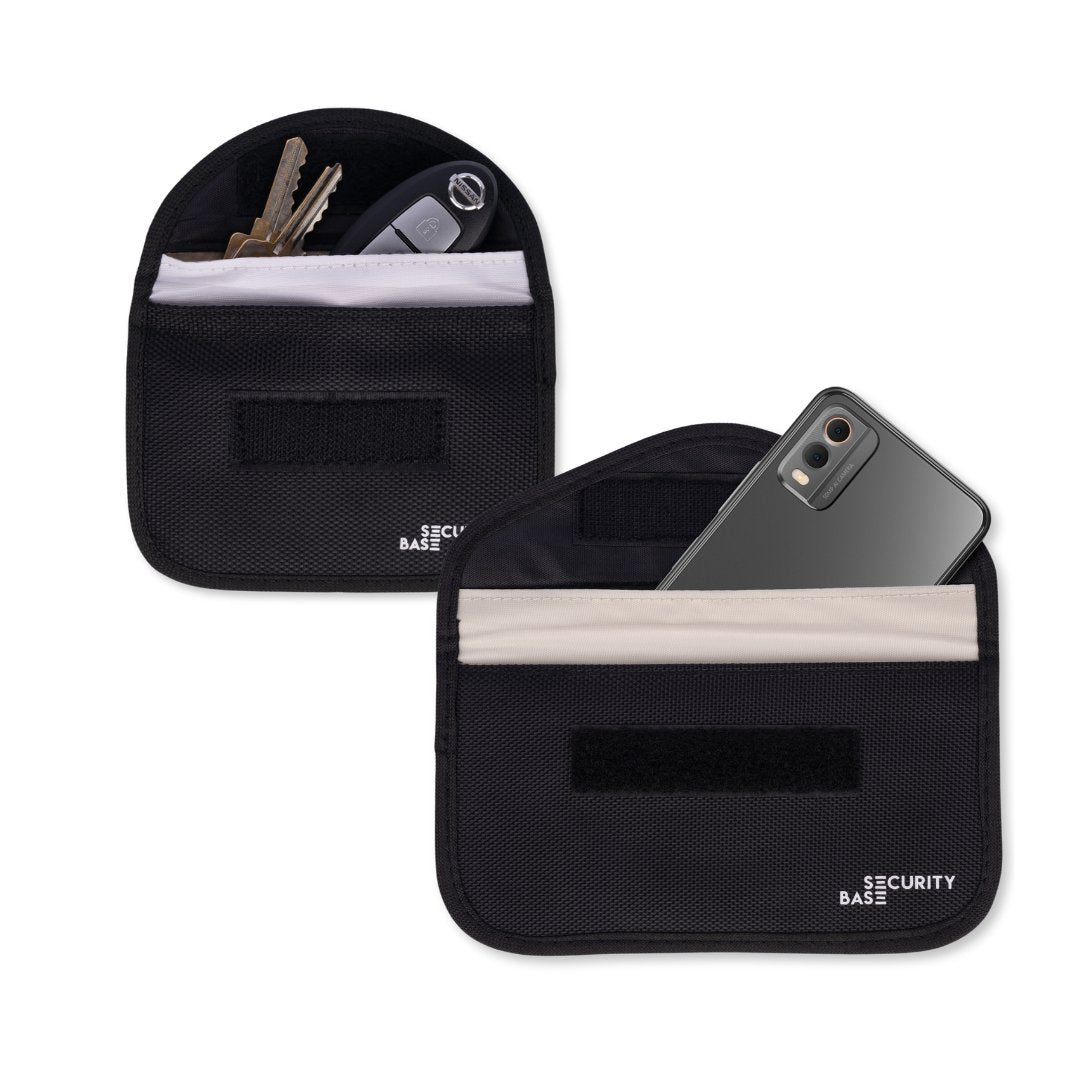



We launched SecurityBase with a clear mission: to make effective cybersecurity solutions accessible to everyone. However, we encountered a roadblock while sourcing our products: it was difficult to find genuinely reliable signal-blocking Faraday pouches.
Faraday pouches, also known as signal-blocking bags, are useful tools for protecting against modern threats such as digital theft, unwanted tracking and remote hacking. However, their effectiveness depends entirely on their quality. This guide explores the key features of an effective signal-blocking bag and explains what to look for when choosing reliable signal protection, particularly when searching for a dependable Faraday bag in Australia.
Many of the products we assessed looked almost identical but failed basic testing because of low-quality materials and poor workmanship. It became clear that effective Faraday protection requires close attention to detail, premium materials and careful construction. This experience led us to identify better materials, work with trusted suppliers and oversee the product specifications ourselves.
But how can you be confident that you are getting genuine protection? Even minor construction flaws can affect a bag’s signal-blocking performance. Over the years, we have rejected numerous samples because of:
- Poor-quality stitching: Single stitching rather than reinforced or double-folded seams.
- Non-conductive thread: This can create gaps in the bag’s conductive enclosure.
- Low-grade shielding fabric: Cheap aluminium or thin, loosely woven material.
- Poor seals around the opening: Gaps can allow signals to leak through.
- Zipper-only closures: Zippers can compromise the conductive seal.
- Single-layer construction: This may be insufficient for higher-powered devices such as phones, tablets and laptops.
In this guide, we examine these issues and provide practical tips to help you choose a product that offers genuine protection.
How do Faraday pouches work?
A Faraday pouch uses conductive materials to create a shield, commonly known as a Faraday cage, around the device inside. This prevents electromagnetic signals from entering or leaving the pouch. Depending on its design and performance, a Faraday pouch may block signals such as Wi-Fi, Bluetooth, mobile networks including 4G and 5G, GPS, RFID and NFC.
This capability can serve several important purposes:
- Phone, tablet and laptop security: Signal-blocking bags can help prevent location tracking, remote access attempts and unauthorised data transmission. They can also protect confidentiality during sensitive meetings or completely disconnect a device for a digital break.
- Car key security: A Faraday pouch can help prevent relay attacks on keyless-entry vehicles by blocking the key fob’s signal while it is sealed inside the pouch.
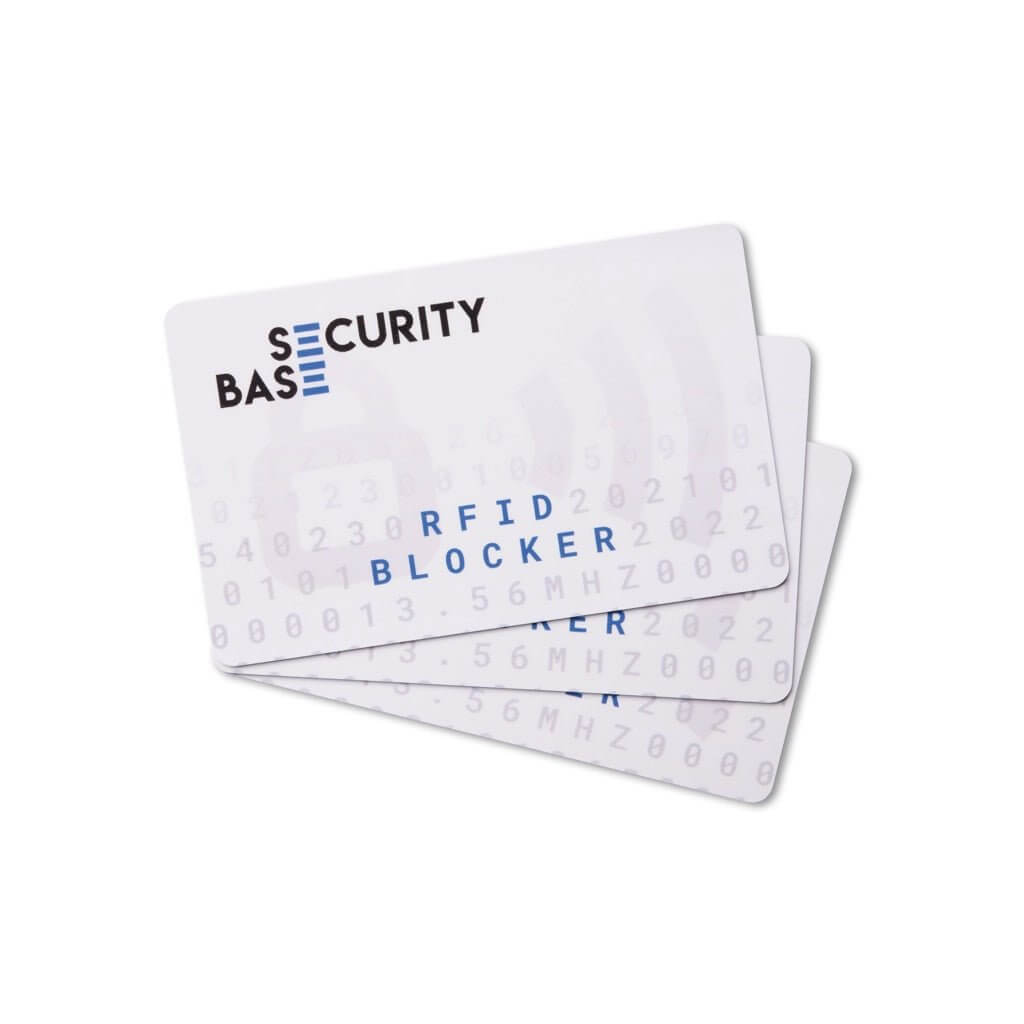
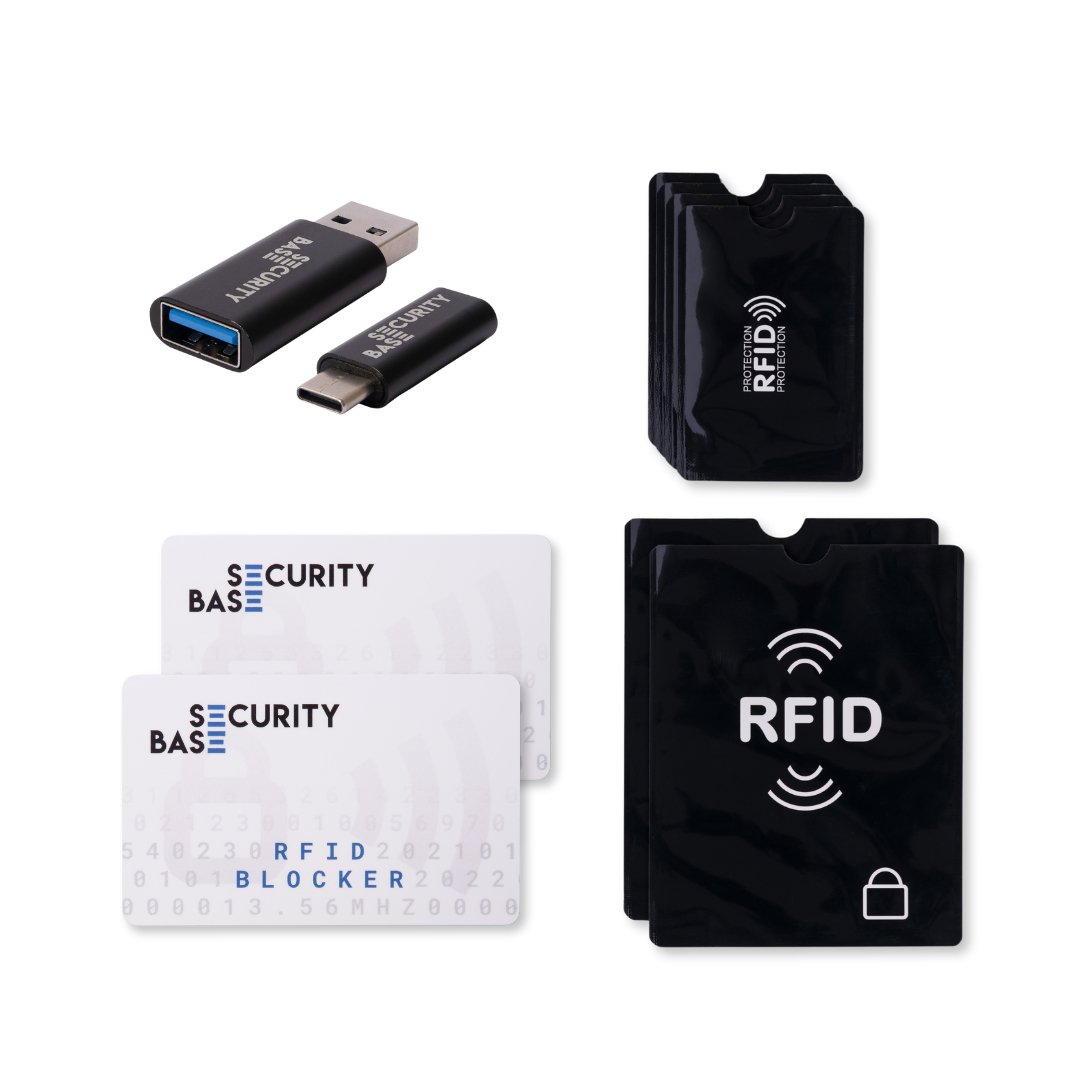
- RFID protection: Faraday protection can prevent the wireless scanning of RFID-enabled passports, access cards and payment cards.
- Digital forensics: Law enforcement agencies and other organisations may use Faraday bags to preserve electronic evidence by preventing remote access, data alteration or remote wiping.
- EMF shielding: Faraday bags create a barrier that reduces electromagnetic signals entering or leaving the enclosed device.
What makes a good Faraday bag?
Reliable signal blocking requires more than metallic-looking fabric. An effective Faraday bag needs high-performance materials, careful design and proper assembly. The following factors help distinguish a reliable bag from one that may offer little more than a false sense of security.
1. Faraday material: The core of the shield
A Faraday bag’s effectiveness begins with the conductive material inside it, which is usually a finely woven fabric containing conductive metals. Materials with high conductivity generally provide stronger shielding across a broad range of frequencies.
Copper is commonly used because of its excellent conductivity. Nickel is often combined with copper to improve durability and corrosion resistance, while silver may be found in some premium shielding materials. Aluminium is a lighter and more affordable alternative, but it is generally less effective and durable than a high-quality nickel-copper fabric.
At SecurityBase, we do not use aluminium shielding in our Faraday bags. We use a nickel-copper alloy fabric that provides strong signal-blocking performance at an accessible price.
What to look for when selecting a Faraday bag:
- A dense weave and highly conductive material generally provide more reliable signal blocking. Low surface resistance, such as less than 0.05 Ω, can be a positive indicator.
- Check the shielding effectiveness rating, which is measured in decibels (dB). A higher dB rating indicates greater signal reduction. Ratings between 60 dB and 90 dB or more may provide comprehensive protection, depending on the frequency and testing method.
- Look for clear testing information across relevant frequency ranges rather than vague claims such as “100% signal blocking”.

2. Stitching: Why it is critical for security
A Faraday bag’s seams are potential weak points because even small gaps can affect its shielding performance. Standard sewing thread is non-conductive and can interrupt the conductive enclosure if the seams are not designed correctly.
Quality bags use construction methods that maintain the continuity of the shielding material across each seam. This may include conductive thread, overlapping layers, double-folded material or paired seams. Folding the conductive layers over each other before stitching creates redundancy and reduces the likelihood of signals passing through the seam.
What to look for when selecting a Faraday bag:
- Be cautious of loose or exposed stitching throughout the inside of the bag. Better-quality bags generally use folded shielding material to cover and reinforce the internal seams.
- Check that any visible stitching is neat, close together and securely finished. This helps minimise gaps and is also a useful indicator of the bag’s overall construction quality.

3. Opening and closure: Creating a reliable seal
The way a Faraday bag closes is extremely important. A weak or incomplete closure can undermine the performance of an otherwise high-quality bag.
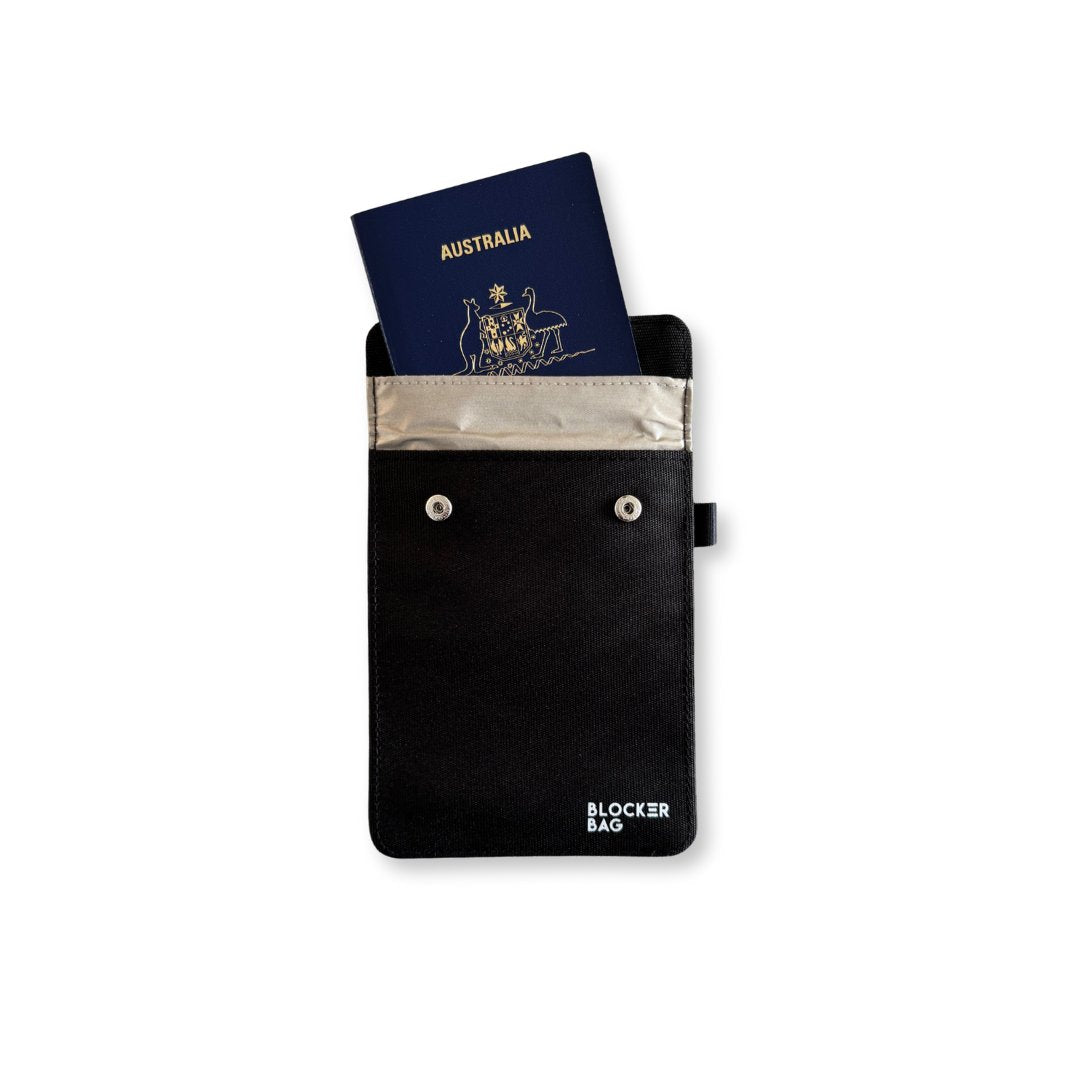
One of the most reliable designs uses a double-fold closure. The top section of the bag, including its conductive lining, is folded over itself at least twice and then secured firmly using strong hook-and-loop material, magnets or a buckle.
This creates multiple overlapping layers of conductive material and increases the contact area around the opening. Simple single-flap or envelope-style closures may not provide sufficient overlap or pressure, particularly when blocking stronger signals or protecting higher-powered devices.
What to look for when selecting a Faraday bag:
- Look for a proper double-fold closure. Without sufficient overlap, the opening may compromise the bag’s signal-blocking performance, particularly when it is moved or handled.
- Ensure the folded closure overlaps by at least 2 cm and can be secured firmly across the full width of the opening.

4. Material coverage: Ensuring complete protection
For a Faraday bag to work effectively, its conductive enclosure must be continuous. The shielding material should cover the entire interior, including the front, back, sides and closure area.
Some manufacturers reduce costs by leaving certain sections unlined or by using conductive material only within the main body of the bag. Any unprotected section can create a potential pathway for signals. A reliable design ensures that the conductive layers overlap properly and make firm contact when the bag is sealed.
What to look for when selecting a Faraday bag:
- Avoid bags that rely solely on a zipper unless there is also a properly designed overlapping or double-fold Faraday closure.
- Check that the shielding fabric extends through the closure area rather than ending below it.
- Look for complete internal coverage without obvious fabric gaps or unlined sections.
5. Number of Faraday material layers
When it comes to Faraday shielding, additional layers can provide stronger and more reliable protection. A single layer of high-quality material may be sufficient for relatively low-powered signals, such as those produced by a car key. However, one layer may be less reliable for demanding applications involving mobile phones, tablets or laptops.
We use two layers of conductive fabric on each side of our phone, tablet and large Faraday bags. This dual-layer construction provides several advantages:
- Stronger signal blocking: Multiple layers can provide greater signal attenuation across a wider range of frequencies, including Wi-Fi, mobile networks and GPS.
- Redundancy: If one layer develops minor wear or damage, the second layer may continue to provide protection.
- Improved durability: Dual-layer construction adds strength and helps protect the integrity of the conductive enclosure.
A well-constructed single-layer pouch may be suitable for protecting a car key against relay attacks. However, dual-layer construction provides more comprehensive and reliable protection for smartphones, tablets and other electronic devices. At SecurityBase, we prioritise this higher level of protection.

6. Exterior durability: Protecting the shielding layers
The internal Faraday material is highly effective but can be sensitive to physical wear and tear. The bag’s outer shell protects these delicate conductive layers from abrasion, punctures and everyday handling.
Look for an exterior made from a durable, tear-resistant material that can withstand regular use while also protecting the device inside. Depending on the product, we use robust materials such as ballistic nylon or Oxford cloth to protect the shielding layers and improve the bag’s overall lifespan.
Cheap imitations compared with tested quality
There are many inexpensive Faraday bags available online, but buyers should be cautious. High-quality conductive materials and careful construction are not cheap. A suspiciously inexpensive product may use inferior metals, thin single-layer shielding, poorly designed seams or an inadequate closure.
Many low-cost products make broad claims such as “100% signal blocking” without providing verifiable evidence. Instead of relying on vague marketing statements, look for brands that clearly identify their materials, explain their construction methods and provide specific attenuation ratings or evidence of third-party testing.
How can you test a Faraday bag at home?
Basic testing can help you determine whether a Faraday bag is blocking common signals. Always make sure the item is placed fully inside the correct compartment and that the pouch is sealed according to the instructions.
For a mobile phone, place the connected phone inside the pouch, seal it and try calling it from another device. If the call does not connect or goes directly to voicemail, this suggests that the mobile signal is being blocked. You can also check whether Wi-Fi, Bluetooth and location updates stop while the phone is sealed inside.
For a car key, place the key inside the sealed pouch and try to unlock or start the vehicle while standing nearby. The vehicle should not respond until the key is removed from the pouch.
Testing with an AirTag or another tracker can also be useful, but location updates may be delayed or cached. For this reason, it is best to test several relevant signals rather than relying on only one method.
Our commitment to quality: How we select our bags
We understand that reliable security is essential, and we aim to take the guesswork out of choosing an effective signal-blocking bag. Providing trustworthy products is central to our mission.
Our selection process begins with a detailed review of each product’s specifications, including its shielding materials, number of layers, stitching, closure design and exterior fabric. We prioritise robust construction and work with suppliers who can provide evidence of shielding performance across relevant frequency bands. We also conduct our own practical signal tests on product samples.
Over the years, we have reviewed and rejected numerous Faraday pouch samples because of flimsy materials, poor workmanship or questionable shielding performance. If we would not trust a product to protect our own devices, we will not offer it for sale.
We focus on building long-term relationships with reputable manufacturers that can demonstrate quality, consistency and transparency. Our goal is to ensure that customers searching for an Australian Faraday bag receive a product that provides reliable protection when it matters most.
How long does a Faraday pouch last?
A Faraday pouch is designed to provide long-term protection, and the shielding material itself does not have a fixed expiry date. However, its effectiveness can gradually decline because of normal wear and tear.
The conductive shielding layer consists of a delicate nickel-copper mesh woven into fabric. Repeated folding, creasing, stretching or abrasion can damage this layer, particularly when sharp objects such as house keys are placed inside the pouch. This applies even to our double-layered Faraday pouches, which provide additional protection and durability but are not immune to damage.
Maintaining your Faraday pouch for long-lasting protection
Even a high-quality Faraday pouch requires some care to maintain its effectiveness over time:
- Avoid overfilling the pouch: This can place unnecessary stress on the seams, closure and shielding material.
- Be careful with sharp objects: Keys and other pointed items can puncture or abrade the internal shielding layers.
- Keep the pouch dry: Do not wash it. If cleaning is required, gently wipe the exterior using a dry or slightly damp cloth.
- Inspect it periodically: Check for visible wear, tears or damage, particularly around the seams and closure.
- Test it regularly: For example, place your car key inside the fully sealed pouch and check whether the vehicle can still be unlocked.
If signals begin passing through the properly sealed pouch or its performance has noticeably degraded, we recommend replacing it to maintain reliable protection.
Choosing the right protection
A Faraday bag can provide practical protection against a range of modern digital risks, including vehicle relay theft, unauthorised data transmission and unwanted tracking. However, its performance depends on the quality of its materials and construction.
When choosing a bag, focus on the elements that support reliable performance:
- Multiple layers of highly conductive Faraday material.
- Properly designed, reinforced seams.
- A secure double-fold closure with sufficient overlap.
- Complete internal shielding coverage.
- A durable outer shell that protects the conductive layers.
- Transparent information about materials and tested performance.
Avoid gambling your security on poorly made imitations that may offer little more than a false sense of protection. Our carefully selected range includes:
- Car Key Faraday Pouch
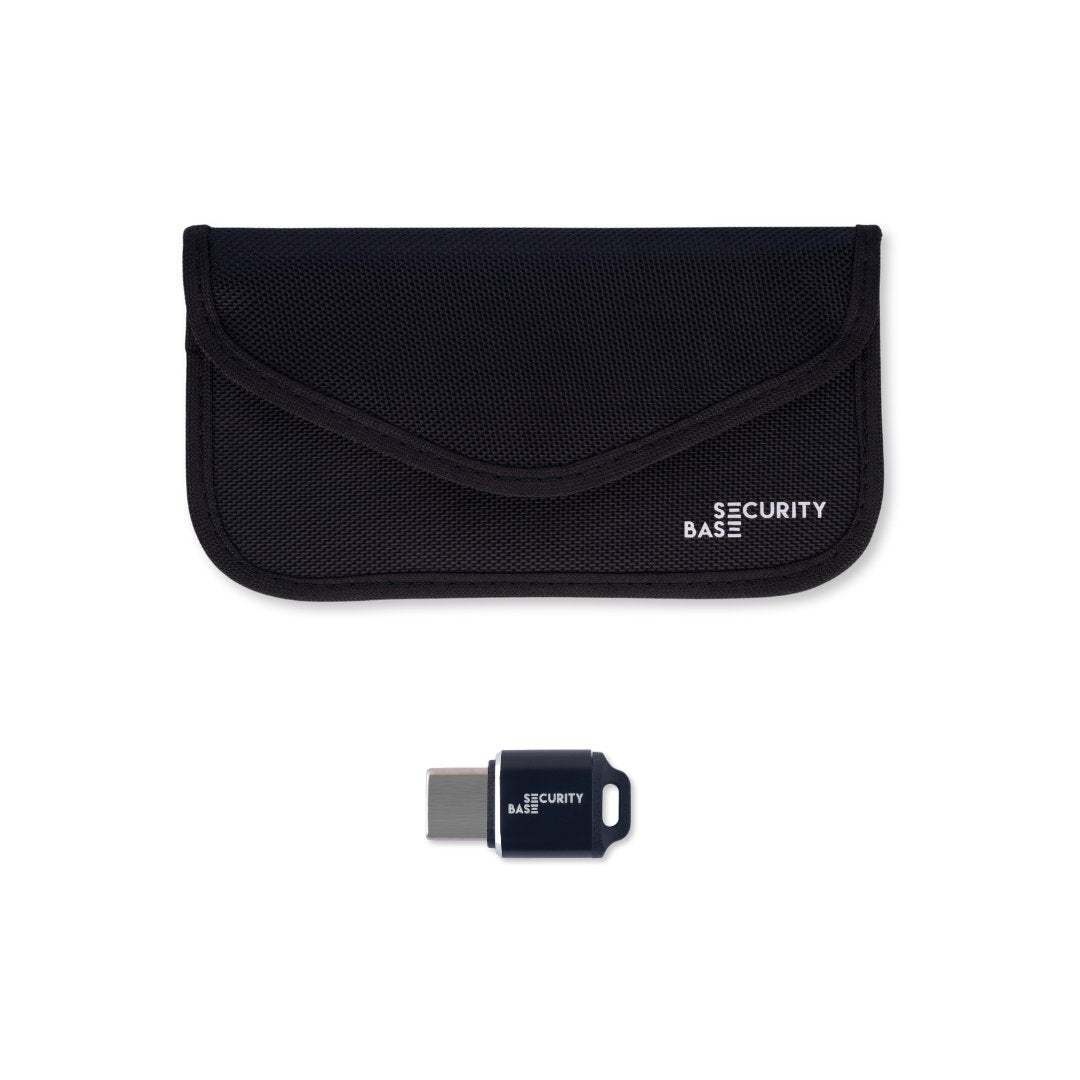
- Phone Faraday Bag
- Large Faraday Bag
- Faraday Bag Bundle, which includes pouches for a car key and mobile phone.
We have invested the time and effort required to assess these products against our quality standards, allowing you to choose reliable protection with greater confidence.


