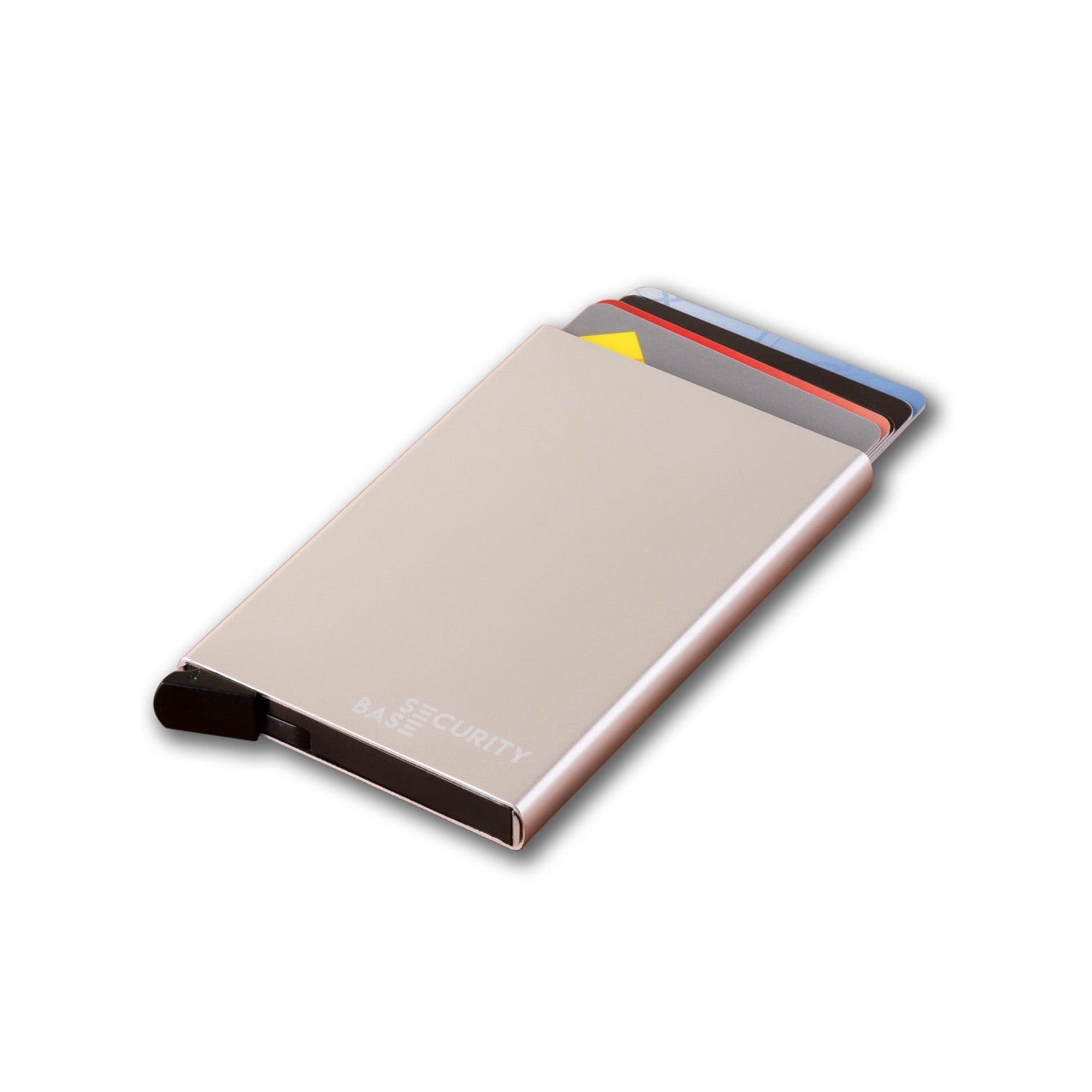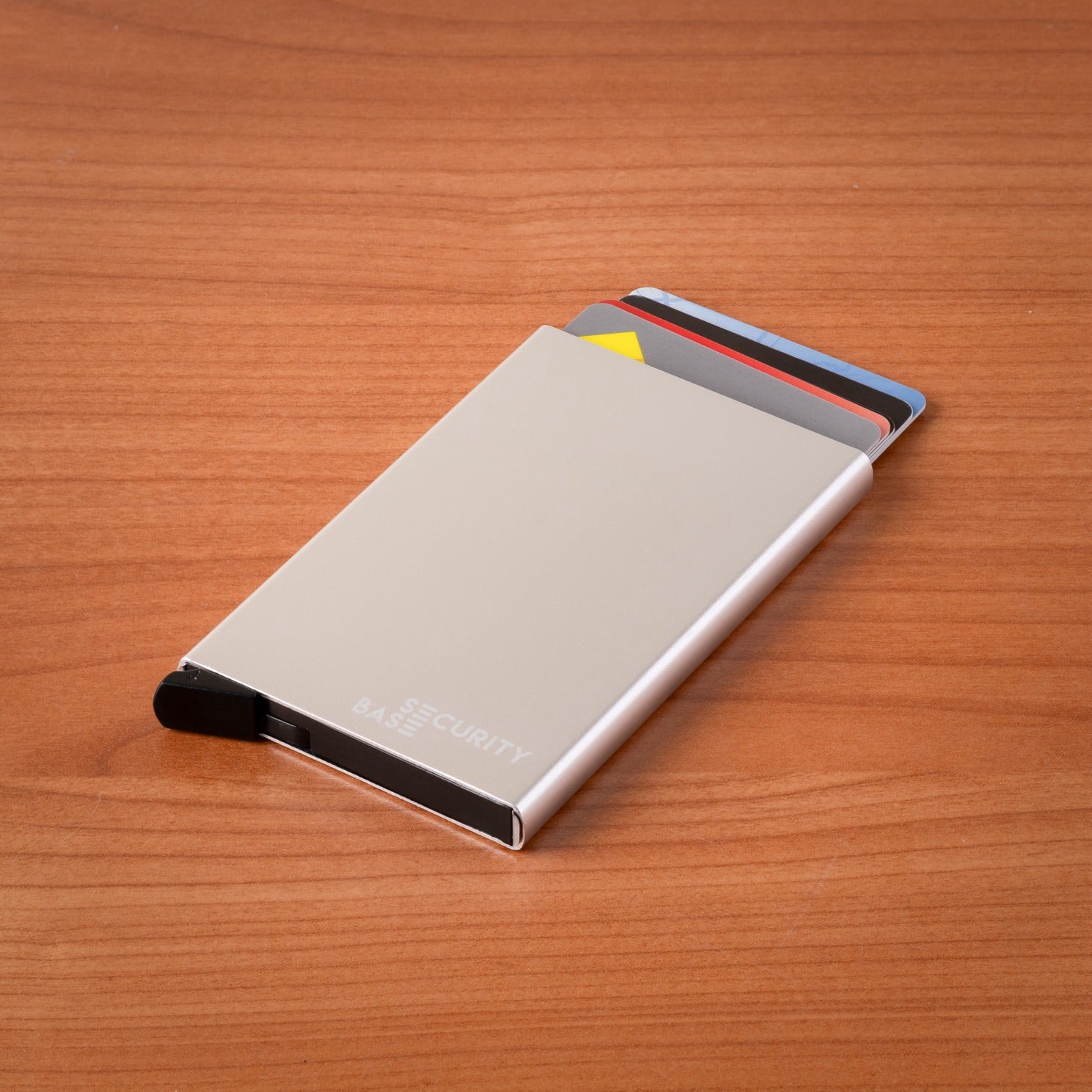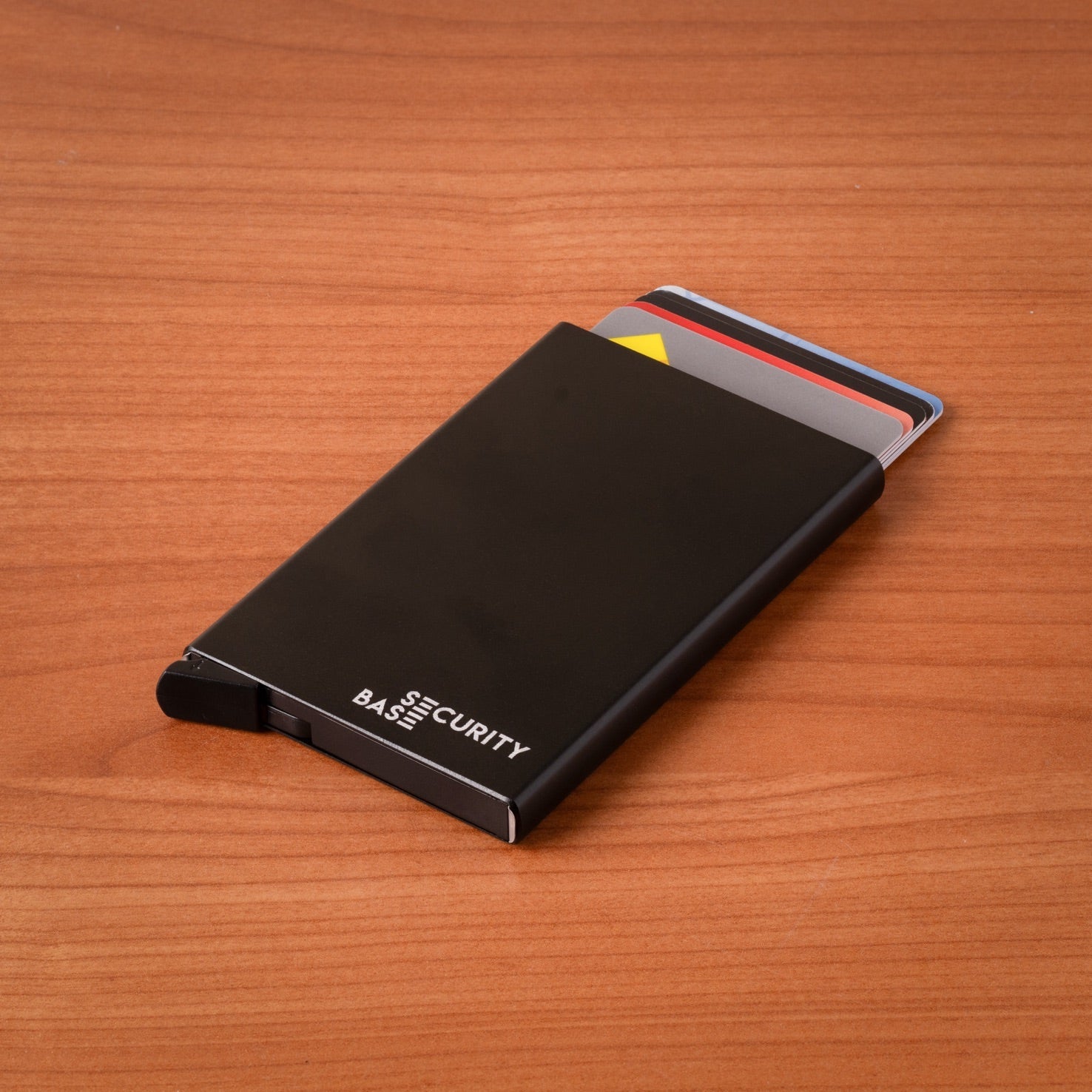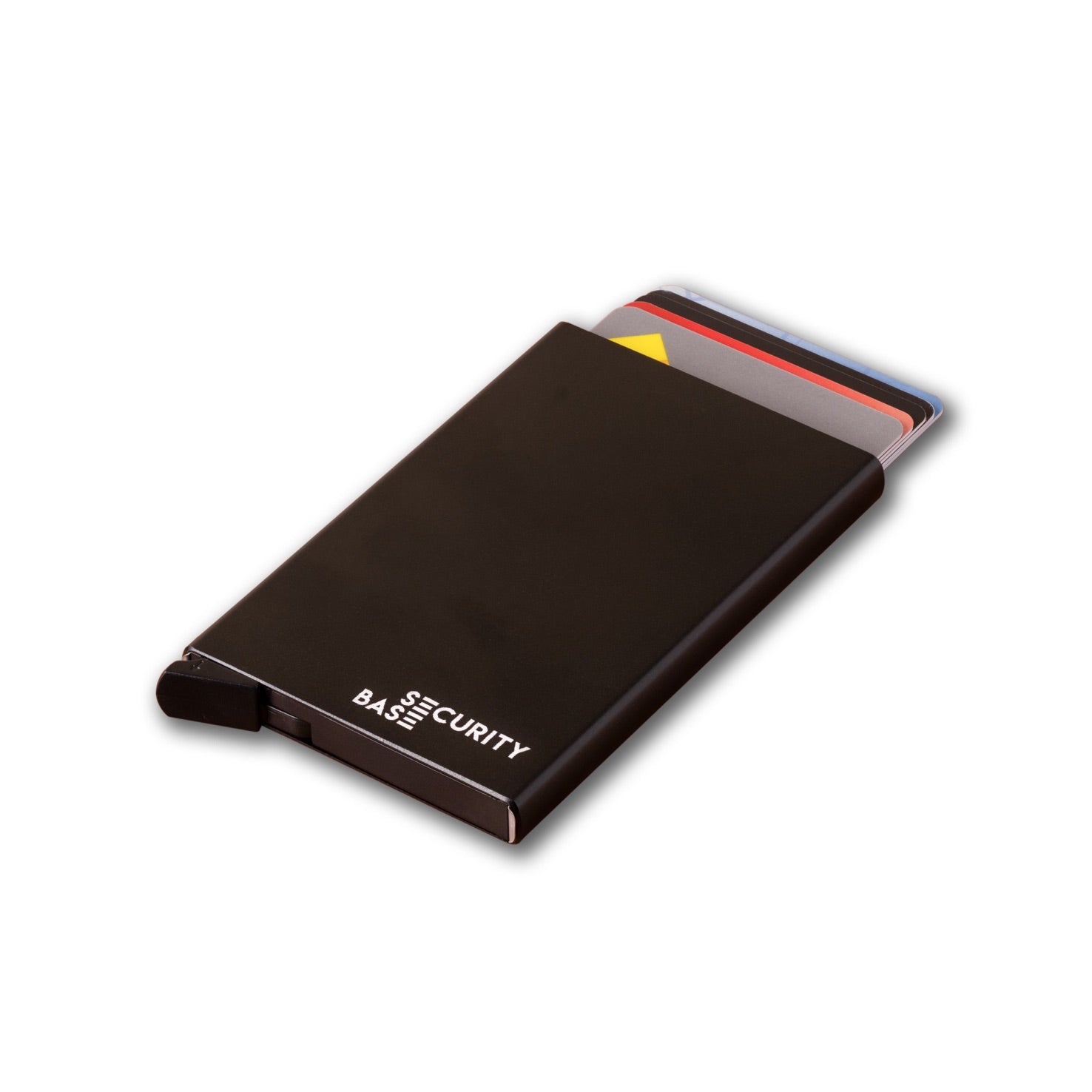






If you use an Apple Find My or Google Find Hub tracker in your car, wallet, luggage, or another valuable item, one of the most common concerns is whether a thief will immediately know a tracker is present.
The answer is no. A thief doesn't receive an instant notification just because they enter your car, pick up your wallet, or take your luggage. Apple and Google both include unwanted tracking protections, but these systems first need to detect that an unknown tracker has been moving with someone over time.
This is important because people can’t open Apple Find My or Google Find Hub, or their Bluetooth settings and see your tracker or track its location. Your tracker is securely linked to your account, while unwanted tracking alerts operate as a separate safety feature designed to prevent trackers from being used to secretly follow another person and prevent misuse.
Does a thief get an instant Find My or Find Hub tracker notification?
A thief does not receive an alert the moment they come close to your tracker, and the system is not triggered because somebody walks past your car, gets into your vehicle, picks up your wallet or carries your suitcase for a short period.
Apple describes its unwanted tracking system as detecting an unknown tracker that is moving with someone over time, while Google explains that its system considers several factors and requires physical movement with the tracker over time before an automatic alert is generated.
Apple and Google do not publish a fixed number of hours before an alert appears, so there is no official 24-hour notification rule which is referred to in some sources. The important point is that the alert isn't instant and isn't triggered simply because another person is near your tracker.
Can someone see my tracker through Bluetooth?
Someone can’t open their phone and see your tracker the way they would a Bluetooth speaker or pair of headphones.
Your tracker does not appear in another person’s Find My or Find Hub account, and a thief cannot open their app and see your tracker on a map, view your location or access your tracking history.
Apple and Android do, however, include dedicated unwanted tracking detection systems. If a tracker is separated from its owner and travels with another person over time, their phone can identify it as an unknown tracker and display an alert.
Why do Apple and Google have unwanted tracking alerts?
Apple Find My and Google Find Hub trackers are designed to help locate personal belongings such as wallets, keys, luggage, backpacks, bicycles, vehicles and equipment.
Because the same technology could be misused to secretly follow another person, Apple and Google introduced cross-platform protections that can warn iPhone and Android users when a supported unknown tracker appears to be travelling with them over time.
Apple explains the joint Apple and Google unwanted tracking system here:
Apple: Apple and Google deliver support for unwanted tracking alerts
These protections do not stop Find My and Find Hub trackers from doing their main job: helping owners locate their belongings when they are lost or stolen.
Are Find My trackers still suitable for stolen cars?
Yes. A Find My or Find Hub tracker remains a useful additional security and recovery measure for a vehicle, because a thief is not immediately told that a tracker is present when they enter or drive away in the car.
A comparison is the tracking or alarm sticker that you often see on vehicles. A sticker saying a tracking system protects a vehicle does not make the tracker useless; instead, it deters a thief by showing that the vehicle is equipped with a location beacon.
An unwanted tracking alert can work in a similar way. If someone steals your vehicle and keeps travelling with it, their phone can eventually detect an unknown tracker moving with them and display an alert.
By that stage, the tracker has already been travelling with the stolen vehicle, giving you a chance to see where it has gone.
What if the thief receives a tracker notification?
Receiving a notification and actually finding the tracker are two different things.
If the tracker has been placed in a discreet location inside the vehicle, a thief can learn that a tracker is present without knowing exactly where it has been installed. They then know that the vehicle can be located, but they still have to find the tracker before they can disable it.
That can work in your favour, because a thief who realises the vehicle contains a hidden tracker now has another reason to abandon the vehicle rather than continue driving it.
This is why the comparison with a tracking sticker is useful. A visible warning that a vehicle is tracked does not defeat the security system; it can make the vehicle less attractive to steal or keep.
What happens if someone steals my wallet?
The same principle applies to a wallet containing a Find My or Find Hub tracker card.
If someone steals your wallet, their phone does not instantly display a warning telling them there is a tracker inside it. The phone first needs to identify that the unknown tracker has been travelling with that person over time.
During that period, the tracker continues participating in the Find My or Find Hub network, giving you an opportunity to see where your wallet has gone.
In many wallet thefts, the person takes cash or bank cards and then discards the wallet. If that happens, a tracker gives you another way to locate where the wallet was left.
If the thief keeps the wallet and later receives an unwanted tracking alert, the tracker is still not automatically disabled. They still need to find it and switch it off.
What happens if someone steals my luggage?
Luggage works in the same way.
If someone takes your suitcase at an airport or from another location, they do not instantly receive a warning that your bag contains a tracker. The tracker continues travelling with the luggage and can continue providing useful location information.
If the person keeps moving with the luggage over time, their phone can later identify that an unknown tracker has been travelling with them and display an unwanted tracking alert.
This still gives the tracker time to do what it was designed to do, which is help you see where your property has gone.
That is one reason Find My and Find Hub trackers are useful for checked luggage, carry-on bags, backpacks, laptop bags, passport holders and travel wallets.
Can my partner or travelling companion receive an unwanted tracker alert?
Yes, and this can happen in completely legitimate situations.
For example, if you are travelling with your partner and your suitcase contains your tracker, their phone can eventually identify the tracker as unknown if they spend a long period travelling with the suitcase while your phone is elsewhere.
Google specifically lists travelling with someone who owns a tracker as one reason a legitimate unwanted tracker alert can appear. For people who regularly travel together, the easiest option is to share the tracker.
Sharing an Apple Find My tracker
Apple allows an AirTag or compatible Find My item to be shared with other people. Once the item is shared, those people can see it in Find My and do not receive unwanted tracking notifications for that shared item while sharing remains active.
Apple explains tracker sharing here:
Apple: Share an AirTag or other item in Find My
Sharing a Google Find Hub tracker
Google Find Hub also allows supported trackers to be shared with friends or family, which is useful for partners, family members, travelling companions and anyone who regularly carries one of your tracked belongings.
Google explains how sharing works here:
Google: Share and manage devices and trackers with Find Hub
Can a thief see where I checked the tracker?
No. The person receiving an unwanted tracking alert does not see where you were when you checked the tracker.
Apple and Google can show that person a map of locations where their phone detected the unknown tracker travelling with them, but that map does not reveal the tracker owner's location.
The map helps the person understand where the tracker travelled with them, rather than where the owner is located.
Does unwanted tracking protection make Find My trackers unsuitable for theft scenarios?
No. The unwanted tracking system does not instantly warn a thief the moment they take your property, does not automatically switch the tracker off and does not give them access to your Find My or Find Hub account.
Instead, the system is designed to identify an unknown tracker that has been travelling with someone over time.
That still allows legitimate owners to locate their property, and an eventual notification can also act as a deterrent.
For a stolen vehicle, the thief now knows the car can be tracked. For a stolen wallet, they still need to find the tracker card. For luggage, the tracker has already had time to travel with the bag and provide location information.
This is why Find My and Find Hub trackers remain useful as an additional security and recovery tool for valuable belongings.
So, will a thief know my tracker is there?
A thief isn't instantly told your tracker is present just because they take your vehicle, wallet, or luggage.
Apple and Google unwanted tracking protections look for an unknown tracker travelling with someone over time before an automatic alert is generated.
If an alert is later shown, the tracker is not automatically disabled and the person still needs to physically locate it before they can stop it from operating.
For legitimate tracking of your own belongings, Find My and Find Hub trackers remain a practical additional way to help recover vehicles, wallets, luggage, bags, keys, bicycles and other valuable items.
The unwanted tracking feature exists to prevent trackers from being used to secretly follow people, while still allowing trackers to do the job they were designed for: helping owners find their property.
Official Apple and Google information
For more information, see the official guidance:
- Apple: What to do if an AirTag or Find My accessory is moving with you
- Apple: Apple and Google unwanted tracking alerts
- Apple: Share an AirTag or other Find My item
- Google: Find unknown trackers on Android
- Google: Share and manage devices and trackers with Find Hub
Find My and Find Hub trackers are designed for locating your own belongings and should not be used to secretly track another person or property you do not own without permission.